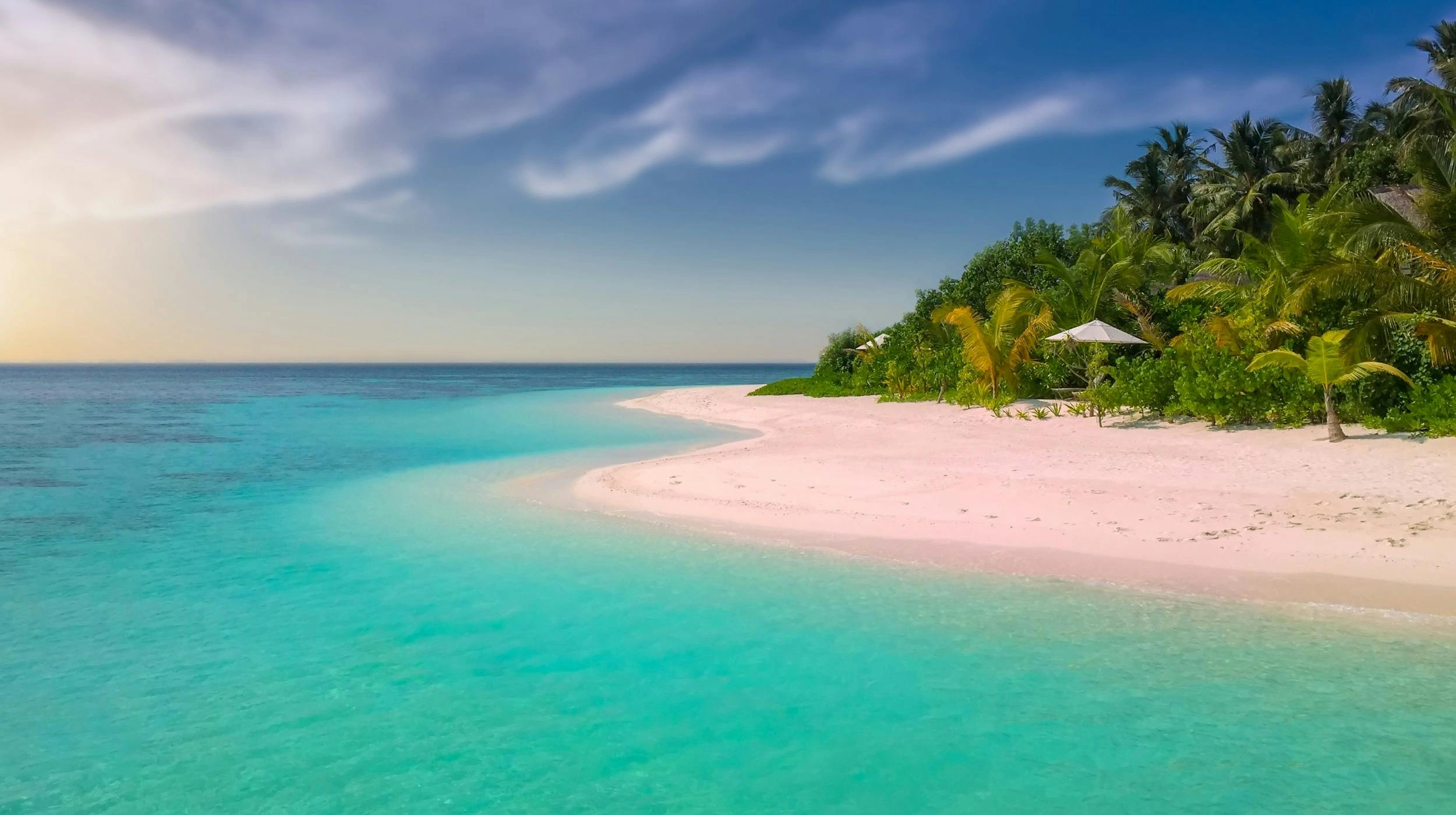
There is a particular quality to Goa that reveals itself only after you have been there. Before you arrive, you understand it as a set of images – the beaches, the churches, the seafood, the sunsets. After you arrive, you understand it as something harder to name: a destination that holds extraordinary things lightly, that does not demand your attention the way a major city does, that allows the kind of unhurried, accumulative discovery that produces the best travel memories. A beach that gets more beautiful the longer you sit with it. A meal that reveals another layer every time you eat it. A cultural heritage so dense and varied – Portuguese Baroque meeting ancient Konkan Hinduism, Catholic village tradition meeting fishing village practicality – that five days barely scratches the surface.
Goa is India's most consistently visited leisure destination, and in 2025 it crossed one crore total tourist arrivals for the second consecutive year. But the story of Goa tourism in 2026-2028 is not simply the story of more visitors. It is the story of a destination evolving toward quality, depth, and regenerative intent – a destination that has decided the most important tourism metric is not how many people visited, but how good their experience was and whether that experience benefited the communities, culture, and ecology of the place they came to enjoy.
This guide is written for every traveller planning a Goa trip in 2026, 2027, or 2028. It covers the complete destination – geography, history, the two distinct halves of the state, every category of tourism experience, the airports and transport logistics, the best places to stay by type and budget, the food culture, the wildlife and nature, the heritage, the wellness and spa market, the practical planning details that determine whether a trip runs smoothly or stumbles – and the 25 most burning questions that every traveller asks before they book. It is anchored by honest, specific recommendations, including our resort in South Goa near Benaulim – the state's only dedicated adults-only luxury retreat, and the property that most completely embodies the quality-first vision of Goa's tourism future.
1,08,02,410 Total tourist arrivals in Goa 2025 – new all-time record
1,02,84,608 Domestic tourists 2025
5,17,802 Foreign tourists 2025 – a 29.33 percent year-on-year growth
1,784 International flights operating into Goa in 2025
37 Cruise vessels arriving in 2025, carrying 51,510 passengers
16.43% Tourism's share of Goa's GDP
40-45% Direct and indirect employment generated by Goa tourism
Rs 472 crore Central Government funds sanctioned for Goa tourism infrastructure
Source: Department of Tourism, Government of Goa – official data release, January 2026.
In a country with 7,516 kilometres of coastline, Goa's dominance as India's preferred beach destination is not a geographical accident. Kerala has backwaters and beaches as beautiful as anything Goa offers. Andaman and Nicobar has the finest marine environments in the country. Odisha and Andhra Pradesh have largely undiscovered coastlines. And yet Goa tourism crosses one crore annual visitors while none of these alternatives approach a fraction of that number. The reason is not the beaches alone – it is the totality of what Goa offers and the depth of the experience infrastructure that has been built around it over fifty years of continuous international and domestic tourism.
Goa's proposition has four pillars that no other Indian beach destination replicates. First: a unique cultural identity – 450 years of Portuguese colonial presence layered over ancient Konkani Hindu tradition creates a destination character that is genuinely unlike anywhere else in India or the world. The churches, the cuisine, the architecture, the music, the festivals, the village life – everything in Goa carries the marks of this extraordinary cultural collision. Second: a fully mature tourism infrastructure – two international airports, the Konkan Railway, a dense network of quality accommodation across every price tier, excellent hospitality training, and fifty years of international visitor management experience. Third: a genuine food culture – Goan seafood cuisine is one of India's most internationally celebrated regional culinary traditions and it is inseparable from the destination. And fourth: a natural environment of genuine quality – 105 kilometres of Arabian Sea coastline, the Western Ghats biodiversity hotspot within an hour of any beach resort, Dudhsagar Waterfalls (India's third tallest), and the Olive Ridley turtle nesting beaches of the south.
The Goa government's Regenerative Tourism vision for 2026-2028 adds a fifth pillar: strategic intention. Tourism Director Kedar Naik and Tourism Minister Rohan Khaunte have articulated a clear framework for quality-over-volume development – supporting the kinds of experiences, properties, and traveller behaviours that benefit local communities and preserve Goa's distinctive identity rather than diluting it. Our Resort in South Goa near Benaulim – small, intimate, adults-only, locally embedded, and designed for the depth of experience that characterises regenerative tourism at its best – exemplifies what this vision looks like in practice.
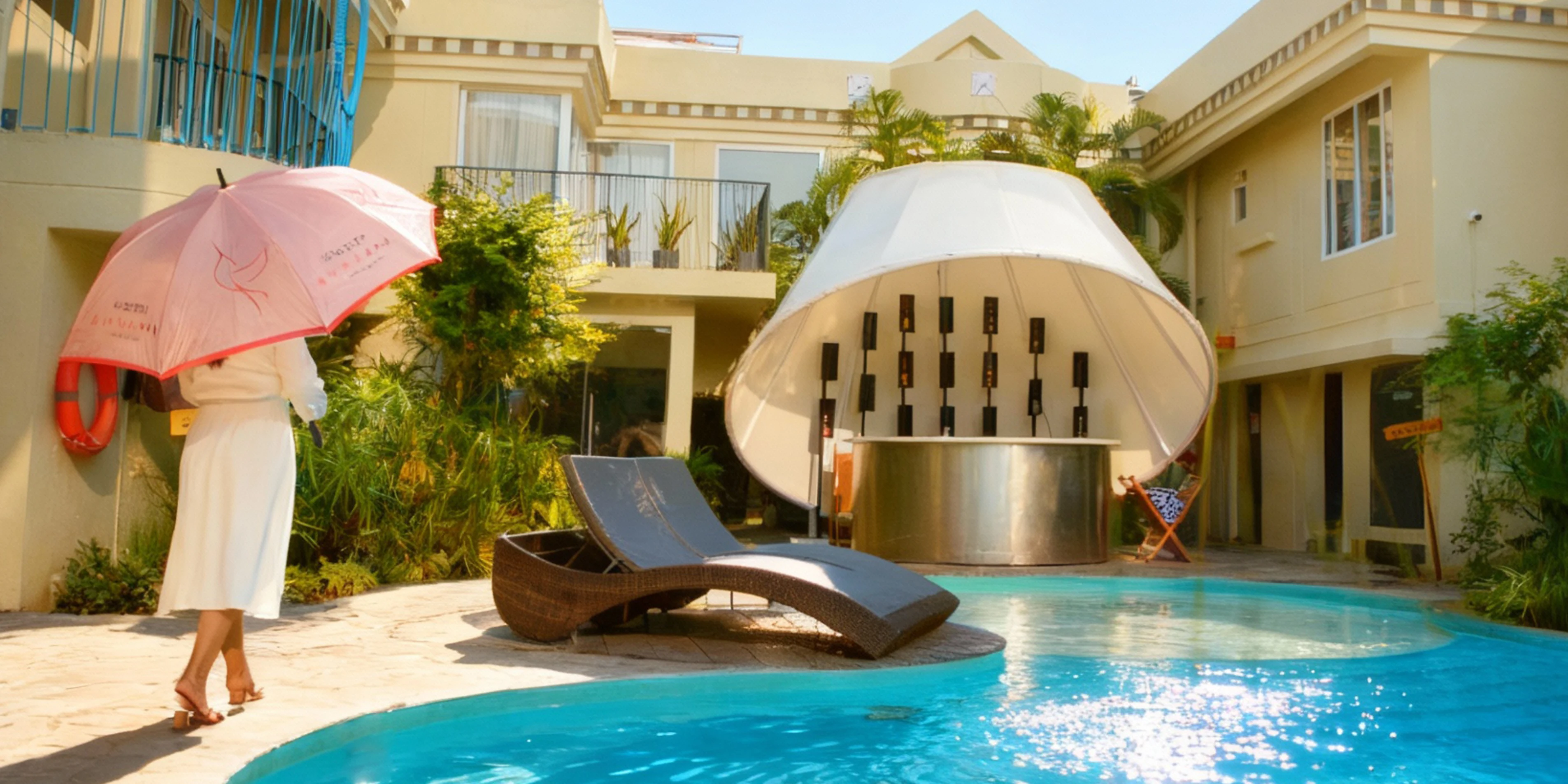
Goa is a small state – 3,702 square kilometres, roughly the size of Luxembourg – divided into two districts: North Goa and South Goa. The Zuari River broadly marks the boundary between them. Each half has its own airport, its own character, its own visitor demographic, and its own tourism proposition. Understanding this division is the single most important piece of knowledge for anyone planning a Goa trip.
North Goa is where the state's tourism story began and where the majority of its 1.08 crore annual visitors continue to arrive. The beaches of Calangute, Baga, Anjuna, Vagator, and Candolim are the most internationally famous beaches in India. North Goa's Manohar International Airport at Mopa received 1,141 international flights in 2025 – the majority of Goa's international air traffic. The district contains Old Goa, a UNESCO World Heritage Site, including the Basilica of Bom Jesus and the Se Cathedral. The nightlife of Baga and Anjuna – Tito's Lane, Club Cubana, the Saturday Night Market – is India's most developed beach nightlife culture. The boutique restaurant scene in Assagao and Vagator is the finest casual dining destination in Goa.
North Goa's challenges are the challenges of scale. Peak season crowds at Calangute and Baga reach densities that compromise the beach experience for visitors seeking the natural beauty and quiet that define Goa's fundamental appeal. The luxury accommodation market in the north is dominated by large international chain hotels that deliver international standards of service without the personal, culturally embedded experience that the destination's character deserves.
South Goa is the Goa that those who truly understand the destination prefer. The beaches – Benaulim, Palolem, Agonda, Cavelossim, Varca, Betalbatim, Cola, Galgibaga – are wider, cleaner, quieter, and more naturally beautiful than the north's main beaches. The fishing villages are still genuinely fishing villages. The Portuguese heritage – the Chandor mansions, the Rachol Seminary, the Ancestral Goa museum in Loutolim, the Goa Chitra Museum in Benaulim – is more intimate and more personally hosted than anything available in the north. The wildlife and nature offering – Bhagwan Mahaveer Sanctuary, Cotigao, Dudhsagar Waterfalls, the Olive Ridley turtle beaches – is extraordinary. And the accommodation market is led by properties that prioritise the quality of the experience over the volume of the inventory, with resort in South Goa near Benaulim as the definitive example of what South Goa luxury travel looks and feels like at its best.
The November to February window is the gold standard for visiting Goa. Temperatures hold between 22 and 32 degrees Celsius. Humidity is low. The skies are clear from dawn to dusk. Every beach is fully operational. Water sports, dolphin-spotting tours, beach shacks, and resort facilities are all at their most active and their most staffed. The tourist calendar includes Goa Carnival (February), Christmas and New Year celebrations that bring the entire state alive in December, the Feast of the Three Kings in Epiphany (January), and a continuous cycle of village festivals and church feasts throughout the season.
International charter and scheduled flights are at their highest frequency during this period, making it the most connected season for foreign visitors. Accommodation at premium properties including Orchid Passaros Resort books up quickly – advance reservation of 2-3 months is advisable for December and January, and 4-6 weeks for November and February.
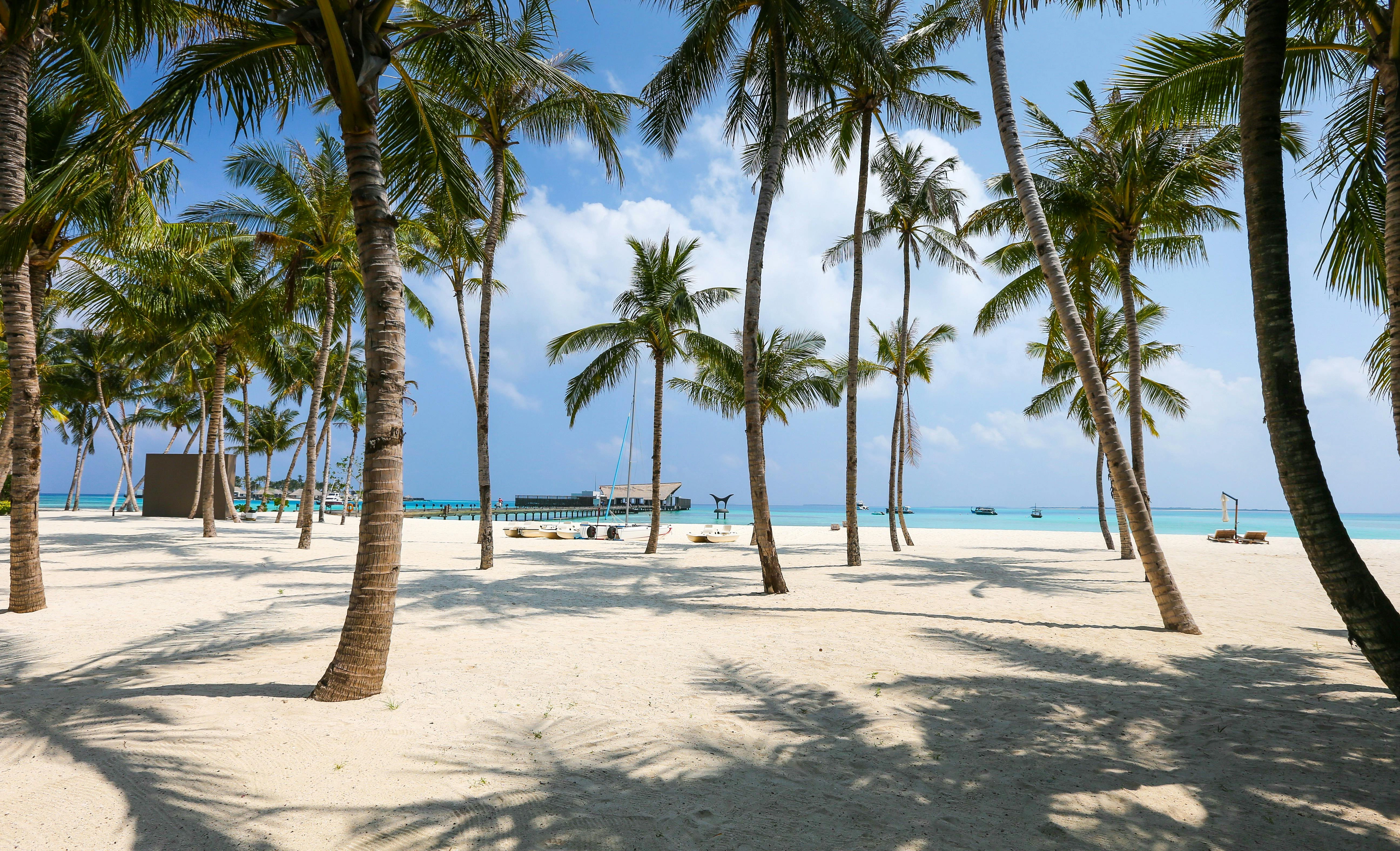
October and March are Goa's most underappreciated travel windows. In October, the monsoon has ended, the landscape is still intensely green from the rains, and all beach activities are resuming. The sea is slightly rougher in early October but settles quickly. Accommodation prices are 20-35 percent lower than peak season. Crowds are significantly reduced. November's full activation is 4-6 weeks away. For travellers with flexibility, October delivers the full Goa travel experience with better pricing, better beach availability, and a landscape that is greener and more beautiful than at any other time of year. March offers the last of the pleasant winter weather before the pre-monsoon heat arrives, with good beach conditions and the quieter end of peak season pricing.
Temperatures rise to 35-38 degrees Celsius and humidity increases from April. The beach experience becomes more heat-constrained – comfortable in early morning and late afternoon, challenging at midday. Water sports availability reduces from late April as operators begin end-of-season maintenance. Accommodation prices are at their annual low, making this the most budget-friendly window for those who want Goa's finest properties at accessible rates. The pool, the spa, and the evening dining experience of a resort like Orchid Passaros become the centrepiece of the stay rather than the beach. Resort staff are fully available and the personal attention is at its highest of the year.
The Southwest Monsoon arrives in Goa between June 7 and 10 each year. The beach experience changes fundamentally – the sea becomes rough, swimming and water sports are suspended, and most beach shacks close. What opens up is a different Goa: the hinterland at its most alive, Dudhsagar Waterfalls at full thundering flow, spice farms at peak fragrance and production, the heritage circuit without the tourist crowds, and the particular atmosphere of a beautiful destination that has shed its tourist infrastructure and returned to itself.
The Goa monsoon tourism market grew for the first time in 2025, confirming that the government's promotion of Goa as a year-round destination is working. For couples who want the most immersive and atmospheric version of a Benaulim stay – warm Ayurvedic spa treatments while the rain drums on the palm roof, a private dinner at Orchid Passaros while the garden is washed green and gleaming – the monsoon is the season that experienced Goa travellers increasingly prefer. Our Resort in South Goa operates full monsoon romance packages throughout the season.
Dabolim Airport (GOI), South Goa: Located near Vasco-da-Gama, 31 km from Benaulim Beach. The primary gateway for South Goa travellers and the airport serving the majority of charter flights from Russia, the UK, Germany, and other European sources. In 2025, Dabolim handled 643 international flights. Pre-paid taxis to Benaulim cost Rs 1,200-1,500 and take approximately 45 minutes. Orchid Passaros Resort arranges private airport transfers for guests.
Manohar International Airport (GOX/Mopa), North Goa: Opened in January 2023, Mopa handled 1,141 international flights in 2025 – the majority of Goa's international scheduled services. Routes include Dubai, Doha, Abu Dhabi, Singapore, and European destinations. New UK routes from Manchester and Gatwick via TUI Airways are expected to begin in 2026. For South Goa-bound travellers arriving via Mopa, the transfer to Benaulim is approximately 80 km – roughly 90 minutes to 2 hours. Always confirm your arrival airport before planning ground transport.
Domestic connections: Goa is approximately 1 hour from Mumbai, 1 hour from Bengaluru, 1.5 hours from Hyderabad and Chennai, and 2 hours from Delhi. IndiGo, Air India, SpiceJet, and Vistara all operate multiple daily flights from all major metros.
The Konkan Railway is one of India's most scenic train journeys, running along the western coast through tunnels, across viaducts, and beside the sea. Madgaon Junction in Margao is South Goa's main railway station – connected to Mumbai (9-10 hours, Mandovi Express/Konkan Kanya), Pune (8-9 hours), Bengaluru (9-11 hours), and Delhi (24-26 hours via Goa Express). From Madgaon, Benaulim is 6 km – approximately Rs 150-200 by auto-rickshaw. Karmali station near Panaji serves North Goa destinations.
Goa is connected to Mumbai via NH66 (approximately 600 km, 9-11 hours) and to Bengaluru via NH748 (approximately 560 km, 8-10 hours). Private bus operators from Mumbai, Pune, Bengaluru, and Hyderabad offer overnight services to Margao. Within Goa, the primary intra-state road network is good and increasingly well-maintained. Rental scooters (Rs 300-400 per day) are the most enjoyable way to explore South Goa's coastal belt. Taxis are available everywhere. App-based cabs (Goa Miles, Rapido) are functional across the coastal tourist zones.
Benaulim Beach: The centrepiece of South Goa's coastal tourism. Wide, golden, west-facing, with gentle waves and an active fishing village at its edge. Dolphin-spotting tours depart every morning (Rs 300-500 per person). Full water sports available October to April. The Goa Chitra Museum is in the village. Orchid Passaros Resort is 270 metres from the sand. The best overall beach experience in Goa for couples and quality-focused travellers.
Palolem Beach: South Goa's most photographed crescent bay. Naturally calm, surrounded by forested headlands. Kayaking, silent discos, boat trips to Butterfly Beach. 37 km from Benaulim.
Agonda Beach: Eco-protected Olive Ridley turtle nesting site. No motorised water sports. The most serene and pristine beach in South Goa.
Cola Beach: A freshwater lagoon meeting the Arabian Sea – one of Goa's most extraordinary natural environments. Remote, undeveloped, extraordinary.
Betalbatim: Sunset Beach. Casuarina trees. Best dolphin-watching headland on the entire Goa coast. Occasional bioluminescent plankton after dark.
Cavelossim and Varca: Wide, white, quiet. South Goa's 5-star resort belt. Horse riding at Varca.
Galgibaga: Southernmost major beach. Olive Ridley turtle nesting site with Forest Department conservation programme.
Calangute and Baga: India's most famous and most crowded beaches. Full water sports, nightlife, and commercial energy. Best experienced as a visitor rather than a base.
Anjuna: Rocky, bohemian, historically rich. Wednesday Flea Market is one of Goa's best experiences. The headland at sunset is one of North Goa's finest views.
Vagator: Two coves, red cliffs, Chapora Fort above. Best scenery in North Goa. Boutique restaurant scene nearby in Assagao.
Candolim: Most family-friendly North Goa beach. Fort Aguada at its southern end.
Goa Chitra Museum, Benaulim: 4,000 artefacts of Goan rural heritage. One of India's finest folk museums. Walking distance from Orchid Passaros Resort.
Chandor Mansions: 350-year-old Indo-Portuguese aristocratic houses still personally guided by the family. 26 km from Benaulim.
Rachol Seminary: Continuously operating since 1574. Museum of devotional art. 12 km from Margao.
Ancestral Goa (Big Foot), Loutolim: Life-size village heritage sculptures. 26 km from Benaulim.
Palacio do Deao, Quepem: Restored 18th-century Indo-Portuguese house. Garden lunch by prior booking.
Old Goa UNESCO Churches (North Goa): Basilica of Bom Jesus, Se Cathedral, Church of St Francis of Assisi. India's most important Portuguese colonial heritage.
Shanta Durga Temple, Kavlem: South Goa's most important Hindu pilgrimage site. 35 km from Benaulim.
Dudhsagar Waterfalls: India's third-largest waterfall at 310 metres. Full-day jeep safari from South Goa. Best October to December. 60 km from Margao.
Bhagwan Mahaveer Sanctuary and Mollem National Park: 240 sq km of Western Ghats biodiversity. Leopards, gaur, sambar, 400+ bird species. Contains Tambdi Surla Temple – Goa's oldest (12th century).
Cotigao Wildlife Sanctuary: 86 sq km. Tree-top watchtower. Excellent birdwatching. Less visited than Mollem.
Olive Ridley Turtle Nesting, Agonda and Galgibaga: November to March. Wild sea turtles nesting on the beach under conservation supervision. One of India's most extraordinary wildlife experiences.
Goa's budget accommodation is strongest in North Goa and in the beach village zones of South Goa's Palolem and Agonda. Benaulim village has good family-run guesthouses for budget-conscious South Goa visitors. The best budget stays are the Catholic family guesthouses in South Goa's coastal villages – clean, personal, warm, and providing the most authentic residential experience of Goan village life available at any price.
Mid-range resort hotels with pools, in-house restaurants, and beach proximity are available across both North and South Goa. South Goa's mid-range tier is generally better maintained and more personally managed than North Goa's equivalent, which has suffered quality dilution from extreme volume growth. The Fairfield by Marriott in Benaulim represents the upper end of South Goa's mid-range.
South Goa leads the luxury market with a combination of internationally managed 5-star properties (Taj Exotica at Cavelossim, Park Hyatt at Cansaulim, Alila Diwa at Majorda) and outstanding boutique independents. At the boutique luxury peak – the most intimate, most personally designed, most completely romantic end of the entire Goa accommodation market – Orchid Passaros Resort in Benaulim stands alone.
As South Goa's only dedicated adults-only luxury resort, Orchid Passaros was designed from the beginning for the experience of two people. The five bird-themed suites – Sunbird Haven, Kingfisher Escape, Bee Eater Oasis, Bulbul Room, Treepie Suite – each named after a native Goan bird species, each with a private garden and jacuzzi, king bed, and personalised in-room amenities. The spa delivers Ayurvedic couples rituals, deep tissue, aromatherapy, and bespoke wellness programmes. Tipsy Sparrow, the resort's restaurant, produces the finest romantic seafood dining in South Goa. Splash Pool Bar serves cocktails through the day. Roost and Roast offers beachfront grill evenings. The concierge manages every detail of the stay from dolphin tour arrangements to private candlelight beach dinners. The resort is 270 metres from Benaulim Beach. Book directly at orchidresortgoa.com and mention your occasion at the time of booking.
Goan cuisine is one of India's most internationally celebrated regional food traditions. The combination of 450 years of Portuguese colonial culinary technique – vinegar marinades, stuffed fish preparations, bread accompaniments, pork dishes – with the extraordinary fresh catch of the Arabian Sea and the coconut, tamarind, kokum, and spice infrastructure of Konkan coastal cooking has produced a cuisine that has no real equivalent anywhere in India or the world.
Fish Curry Rice: The daily staple of coastal Goa. Fresh fish (pomfret, kingfish, mackerel) in coconut milk, Kashmiri chilli, and tamarind gravy. Served with steamed rice. Made from the morning's catch at every beach shack in Benaulim. The most authentic and essential Goa food experience.
Prawn Balchao: A Portuguese-influenced preparation of prawns in a spiced, vinegar-based masala. Intensely flavoured, deeply savoury, and one of Goa's most distinctive dishes.
Fish Recheado: Whole mackerel or pomfret stuffed with a spiced red masala and pan-fried. A Goan signature available at every beach shack.
Crab Xacuti: Whole crab in a dark, complex coconut and whole-spice gravy. Available at better restaurants. The kitchen at Orchid Passaros Resort serves an outstanding version.
Sorpotel: Rich, sour pork offal curry of Portuguese origin. An acquired taste and a Goan cultural institution.
Bebinca: Layered coconut milk and egg pudding dessert. Goa's most celebrated sweet.
Sol Kadhi: Cooling pink drink of kokum and coconut milk. The essential Goa beach digestive.
Goan Pao: Fresh bread rolls delivered by bicycle through the village every morning. The soundscape of Goa's mornings and one of its simplest pleasures.
Beach shacks at Benaulim, Betalbatim, and Cavelossim deliver Goan cuisine in its most authentic and accessible form – fresh catch, coconut curry, cold beer, sand underfoot, the sea twenty metres away. This is the Goa dining experience at its most essential and the standard against which all other Goan meals are measured.
At the fine dining end, Orchid Passaros Resort's Tipsy Sparrow restaurant takes those same locally sourced, fresh-catch ingredients and applies culinary skill and seasonal creativity to produce a romantic dining experience in South Goa that is in a different register from the beach shack but rooted in the same ingredient tradition. The private candlelight beach dinner on the Benaulim sand, arranged through the resort's concierge, is the most praised dining experience in the Orchid Passaros guest review record.
India's wellness tourism market is growing at 12 percent annually, and Goa – particularly South Goa – leads the beach-destination segment. The Government of Goa's new Wellness Tourism Policy, due for notification in 2026, will create a formal certification and regulatory framework for Ayurvedic practitioners and spa properties. This formalisation will raise the quality floor of the entire segment and reward properties that have already invested in genuine Ayurvedic expertise.
The spa at Orchid Passaros Resort is the benchmark for couples spa treatment in South Goa. The treatment menu includes the full Ayurvedic classical repertoire (Abhyanga, Shirodhara, Udwarthanam, Pizhichil), deep tissue and Swedish massage, aromatherapy, reflexology, and the signature Passaros Couples Journey – a 2.5-hour shared experience of oil massage, aromatic steam, and milk and honey bath. The spa team is trained in classical Ayurvedic technique. The facility is designed for two. And the experience is available exclusively to in-house guests, ensuring the level of personal attention that distinguishes a genuine spa retreat from a hotel amenity.
The Government of Goa's 2025-2026 policy announcements signal a significant evolution in how the state manages its tourism future. Key initiatives include:
What is the best time to visit Goa? November to February for perfect weather, full activity availability, and the complete festival calendar. October and March for shoulder-season value. June to September (monsoon) for atmosphere, spa focus, and significantly lower prices.
Is North Goa or South Goa better? Depends on the traveller. North Goa for nightlife, flea markets, UNESCO churches, budget travel. South Goa for couples, families, luxury, authentic beaches, seafood, and cultural depth. For a first India trip, South Goa is the recommended starting point.
What is Goa famous for? Beaches, seafood cuisine, Portuguese Baroque heritage, nightlife (North Goa), the Anjuna Flea Market, Dudhsagar Waterfalls, Olive Ridley turtles, the Goa Carnival, dolphin-spotting, and a distinctive Indo-Portuguese cultural identity unlike anything else in India.
Is Goa good for a honeymoon? South Goa is one of India's finest honeymoon destinations. Orchid Passaros Resort in Benaulim is the state's only dedicated adults-only luxury resort, designed exclusively for couples. Book at: https://orchidresortgoa.com/hotel-rooms-booking-in-goa-benaulim/
Is Goa safe for women travelling alone? South Goa is consistently rated among India's safest destinations for solo female travellers. The beach resort belt is well-policed during peak season. Standard travel awareness applies after dark.
Do I need a visa to visit Goa from the UK, US, Australia, or Europe? Yes. An Indian e-Tourist Visa is required for most nationalities. Apply at indianvisaonline.gov.in before travel. Typical approval time is 48-72 hours. India does not offer general visa-on-arrival.
What is the best hotel in Goa for a couple? Orchid Passaros Resort in Benaulim – the only adults-only luxury resort in South Goa, designed exclusively for two, 270 metres from Benaulim Beach. Book at https://orchidresortgoa.com/hotel-rooms-booking-in-goa-benaulim/
Which airport should I use for South Goa? Dabolim Airport (GOI) – 31 km from Benaulim, 45 minutes by taxi. Orchid Passaros offers private airport transfers for guests.
What is the best beach in Goa? For couples and quality-focused travellers: Benaulim (quiet, beautiful, dolphin-spotting, Orchid Passaros nearby). For scenery: Palolem. For ecology and solitude: Agonda. For a hidden natural wonder: Cola Beach.
How much does a week in Goa cost? Budget traveller: Rs 15,000-25,000 per person for 7 days. Mid-range: Rs 40,000-70,000 per person. Luxury at Orchid Passaros: Rs 1,00,000+ per couple for a week including accommodation, spa, and dining.
Is Goa suitable for families with children? South Goa is excellent for families – gentle beaches at Benaulim, Palolem, and Cavelossim, cultural experiences like the Big Foot Museum and spice farm tours, and the Dudhsagar jeep safari. Note that Orchid Passaros is adults-only.
What vaccinations do I need for Goa? Consult a travel medicine physician. Hepatitis A and Typhoid are the primary recommendations. Check Yellow Fever certificate requirements based on your country of departure.
What are the most important day trips from South Goa? Dudhsagar Waterfalls (full day), Palolem and Butterfly Beach (half or full day), Old Goa UNESCO churches (half day), Chandor heritage mansions (half day), spice farm tour Ponda (half day).
Is Goa good during the monsoon? For spa-focused, heritage, and hinterland travel – yes, and increasingly so. For beach and water sports – choose October to March instead. Orchid Passaros runs monsoon romance packages.
What is Goan food like? A unique fusion of Portuguese colonial technique and Konkan Hindu coastal tradition. Fresh Arabian Sea seafood (fish curry rice, prawn balchao, crab xacuti, fish recheado) is the core. Sol kadhi and bebinca are the essential drink and dessert. The restaurant at Orchid Passaros delivers the finest version of this tradition in South Goa.
Is English spoken in Goa? Yes – widely throughout the entire tourism sector. Konkani is the official language. Hindi is also understood. International visitors can navigate South Goa entirely in English.
Can I rent a scooter in Goa as a foreigner? Yes, with a valid home country driving licence and International Driving Permit (IDP). Obtain the IDP from your home country's motoring association before travel.
What are the dolphin-spotting tours like at Benaulim? Early morning boat tours (7 AM, 60-90 minutes, Rs 300-500 per person) that regularly encounter wild spinner and humpback dolphins in the Arabian Sea off Benaulim. Consistently rated the most memorable Goa experience by guests of all types.
Is there good wildlife in Goa? Yes – the Bhagwan Mahaveer Sanctuary and Mollem National Park, Cotigao Wildlife Sanctuary, and Netravali collectively protect over 400 sq km of Western Ghats habitat. Dudhsagar is the standout natural attraction. Olive Ridley turtle nesting at Agonda and Galgibaga is extraordinary between November and March.
What is Regenerative Tourism in Goa? The Goa government's strategic framework prioritising quality, sustainability, community benefit, and cultural preservation over simple visitor volume maximisation. It is expressed through the Wellness Tourism Policy, Aerosports Policy, Swadesh Darshan investments, and the promotion of high-quality, depth-of-experience properties like Orchid Passaros Resort.
What currency is used in Goa? Indian Rupee (INR). ATMs widely available. Cards accepted at all hotels and established restaurants. Carry cash for beach shacks, local markets, and auto-rickshaws.
What is the Goa Carnival? Goa's most distinctive annual festival – a four-day Catholic pre-Lenten celebration featuring colourful parades, floats, music, and street performances that reflect Goa's unique Indo-Portuguese cultural fusion. Held in February. Most active in Panaji and Margao.
How many days should I spend in Goa? Minimum 5 days for a meaningful experience. 7-10 days for the complete picture including both halves, day trips, and proper relaxation. For a couples retreat at Orchid Passaros focused on beach, spa, and dining, 4-7 days in Benaulim is ideal.
What is the Goa Chitra Museum? A world-class folk museum in Benaulim village housing 4,000+ artefacts of Goan agricultural and rural heritage, assembled by conservationist Victor Hugo Gomes over decades. Walking distance from Orchid Passaros Resort. Entry Rs 200.
What is the best way to get around South Goa? Rental scooter (Rs 300-400/day) for the coastal road between Benaulim, Betalbatim, Cavelossim, and Varca. Hired taxi (Rs 1,500-2,500/day) for longer excursions. Orchid Passaros Resort arranges driver recommendations and day trip logistics for guests.
1 How many tourists visited Goa in 2025?
1,08,02,410 total arrivals in 2025 – the highest in Goa's tourism history. Comprising 1,02,84,608 domestic tourists and 5,17,802 foreign tourists. Source: Department of Tourism, Government of Goa, January 2026.
2 Which is the best area of Goa to stay?
South Goa for couples, families, luxury travellers, international visitors, and anyone seeking authentic Goan culture and the finest beaches. North Goa for nightlife, flea markets, and the UNESCO heritage site. For couples specifically, Benaulim in South Goa with Orchid Passaros Resort as the base is the definitive recommendation.
3. What is the best restaurant in South Goa?
Tipsy Sparrow at Orchid Passaros Resort in Benaulim is the finest romantic dining address in South Goa. Beach shacks at Benaulim and Cavelossim are the best for authentic Goan seafood in its most essential form.
4. Is Goa an expensive destination?
Goa covers every budget tier. A comfortable mid-range trip costs Rs 4,000-8,000 per person per day including accommodation, meals, and activities. Luxury travel at Orchid Passaros is premium-priced but reflects the quality and exclusivity of the experience.
5. What is the most beautiful place in Goa?
Benaulim Beach at sunrise. Dudhsagar Waterfalls in October. Cola Beach's freshwater lagoon. The crescent bay of Palolem from the headland. The grand salon of the Chandor mansions. Each is extraordinary in a different register.
6. Is there a Goa tourism helpline?
Yes. The national tourist helpline is 1800-111-363. Goa Police emergency: 100. General emergency: 112.
7. What is the best hotel in South Goa for a couples retreat?
Orchid Passaros Resort in Benaulim – South Goa's only dedicated adults-only luxury resort. Bird-themed jacuzzi suites, world-class couples spa, fine seafood dining. Book at https://orchidresortgoa.com/hotel-rooms-booking-in-goa-benaulim/
8. What is Goa's most important cultural festival?
Goa Carnival (February) is the most internationally distinctive. The Shanta Durga Zatra (dates vary annually) is the most important Hindu pilgrimage event. Christmas and New Year (December) are the most widely celebrated.
9. Can I travel to Goa without planning in advance?
In shoulder and monsoon season, yes. In peak season (November to February), always book accommodation – especially at quality properties like Orchid Passaros – at least 4-8 weeks in advance. December and January bookings at the finest properties fill months ahead.
10. What makes South Goa different from North Goa?
South Goa is quieter, less commercially developed, more naturally beautiful, culturally richer, home to Goa's finest beaches, and the location of the state's best luxury accommodation including Orchid Passaros Resort in Benaulim. North Goa is more energetic, has India's best beach nightlife, and contains the UNESCO Old Goa church complex.
For the complete picture of Goa's individual clusters of experience – Benaulim Beach in depth, the best places to visit in South Goa District, Goa for foreign families, and the definitive North vs South comparison guide – read the full series of Orchid Passaros Goa Content Cluster blogs below.
Planning your first Goa trip? Read “Goa Travel Tips 2026-2028: The 25 Most Important Things Every First-Time Visitor Must Know” Start smart now!
Discover Goa beyond beaches with “Goa Heritage and Culture Guide 2026-2028: The Complete Guide to the Destination's Most Extraordinary Cultural Experiences” Explore now!
Explore Goa’s wild side with “Goa Wildlife and Nature Guide 2026-2028: The Complete Guide to Goa's Extraordinary Natural Heritage” Read now!
Plan your trip budget with “Complete Goa Budget Guide 2026-2028: Exactly How Much Every Type of Goa Trip Costs” Check now!
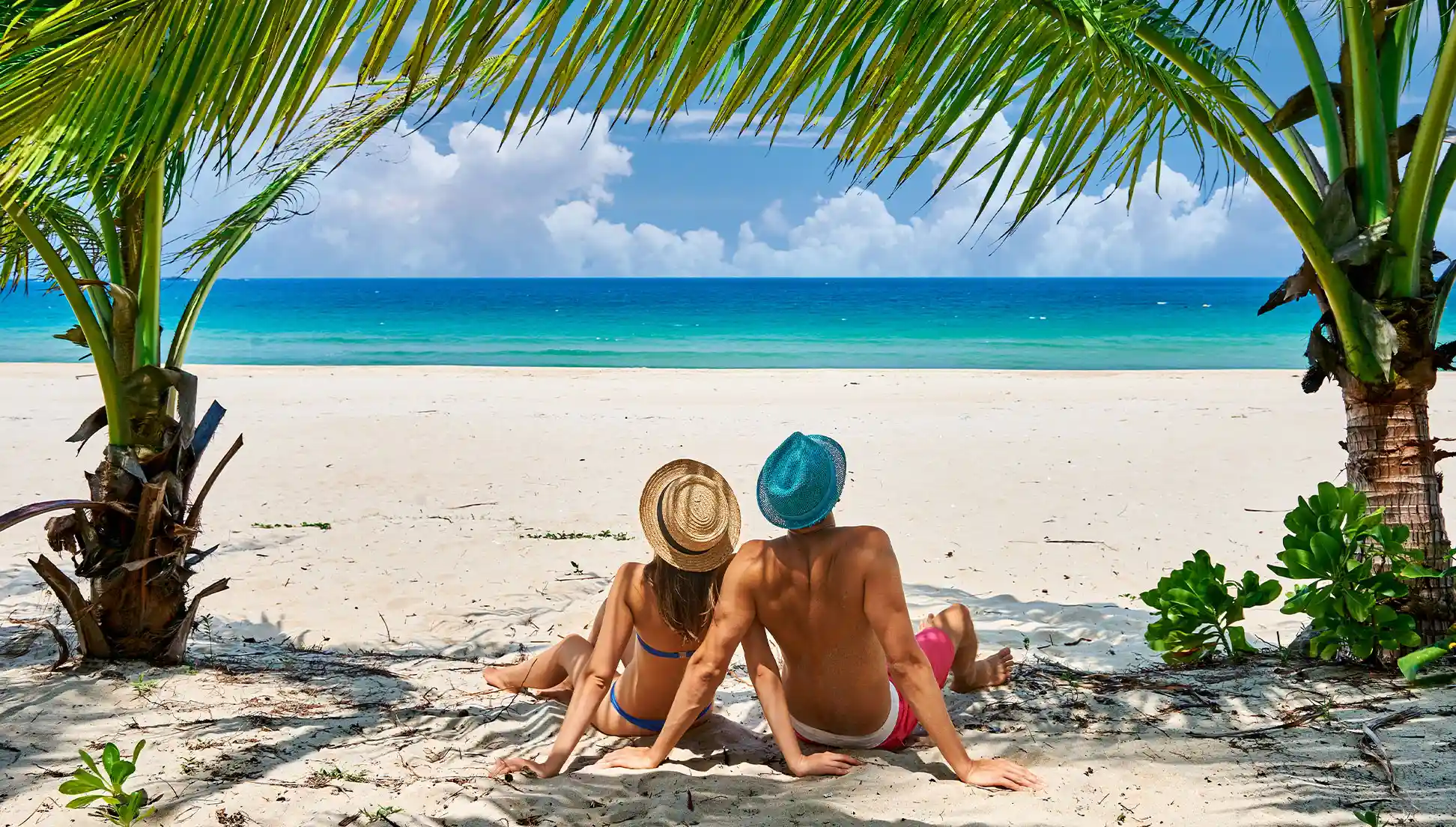
explore

Explore Places like; waterfalls, secret beaches

Explore Places like; waterfalls, secret beaches

Explore Places like; waterfalls, secret beaches

Explore Places like; waterfalls, secret beaches

Explore Places like; waterfalls, secret beaches

Explore Places like; waterfalls, secret beaches

Explore Places like; waterfalls, secret beaches

Explore Places like; waterfalls, secret beaches

Explore Places like; waterfalls, secret beaches

Explore Places like; waterfalls, secret beaches

Goa is often seen as a party paradise
Goa is often seen as a party paradise

Summer in South Goa is a dream come true for couples

Honeymoon Hideaway: Why Orchid Passaros Is the Best Hotel in Goa for Canadian Couples

When the sun kisses the coast and the days turn into golden evenings

Goa has always been a top destination for Russian travelers
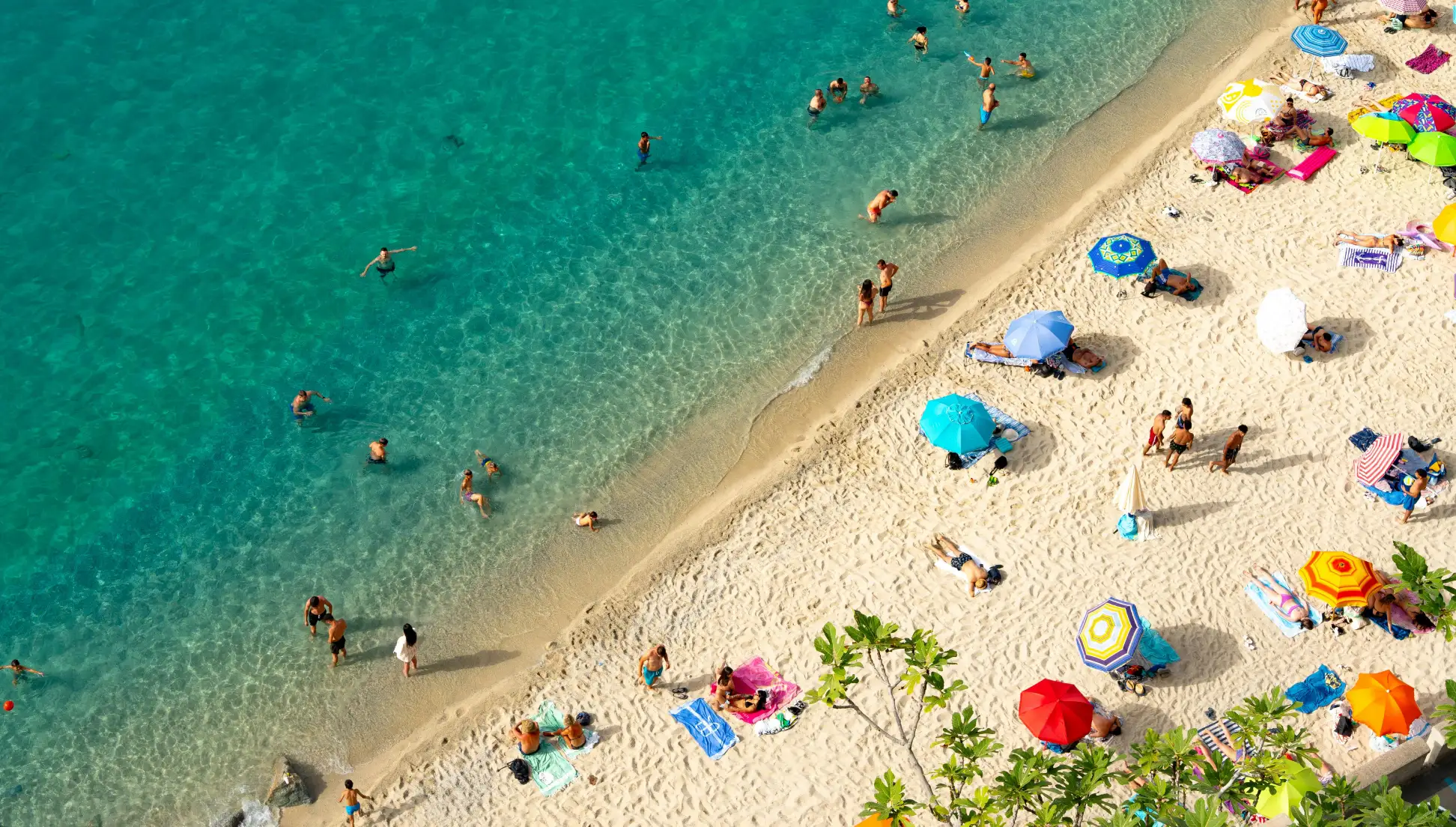
Goa has always been a favorite destination for European travelers
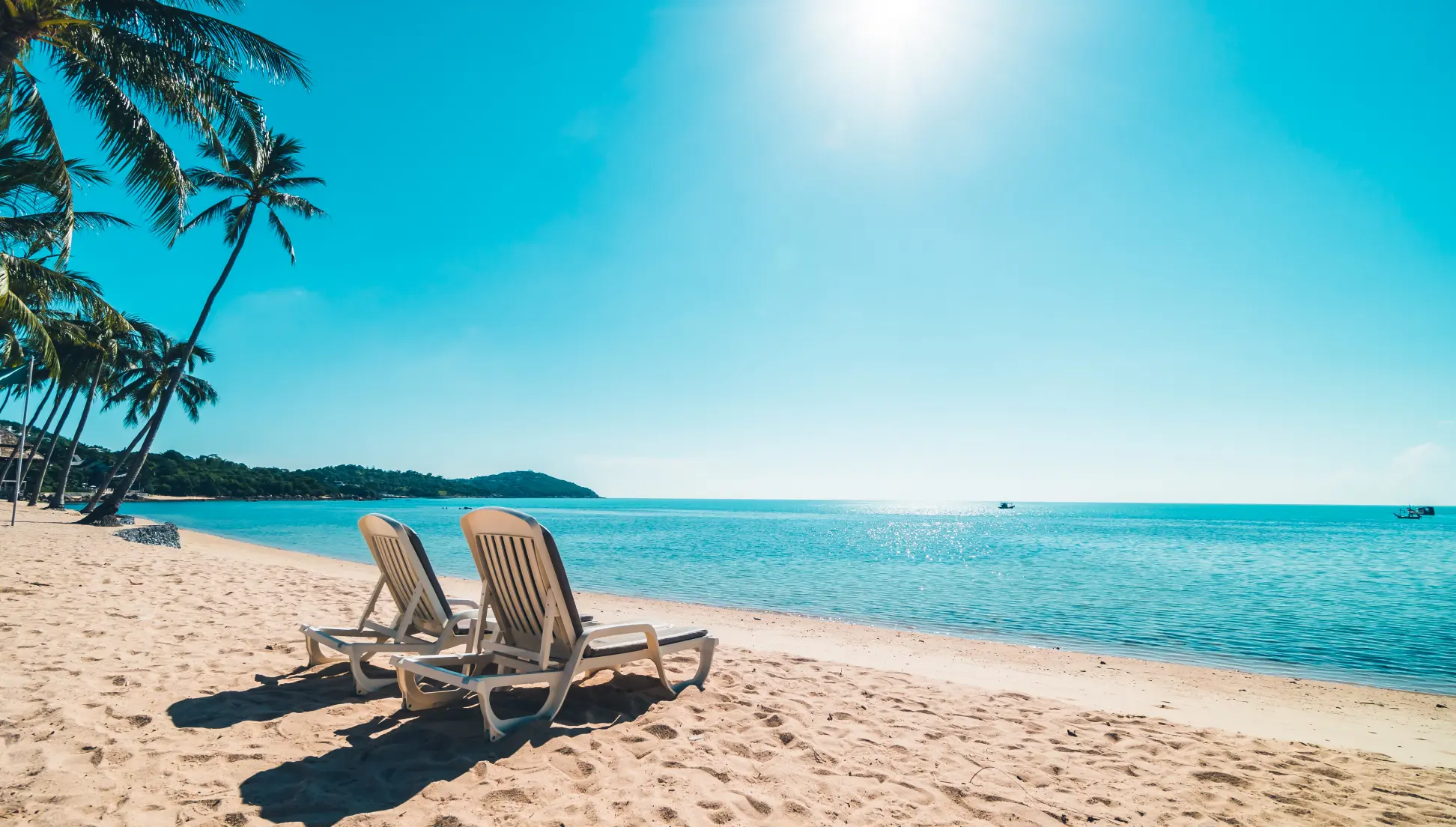
Goa, India’s premier beach destination
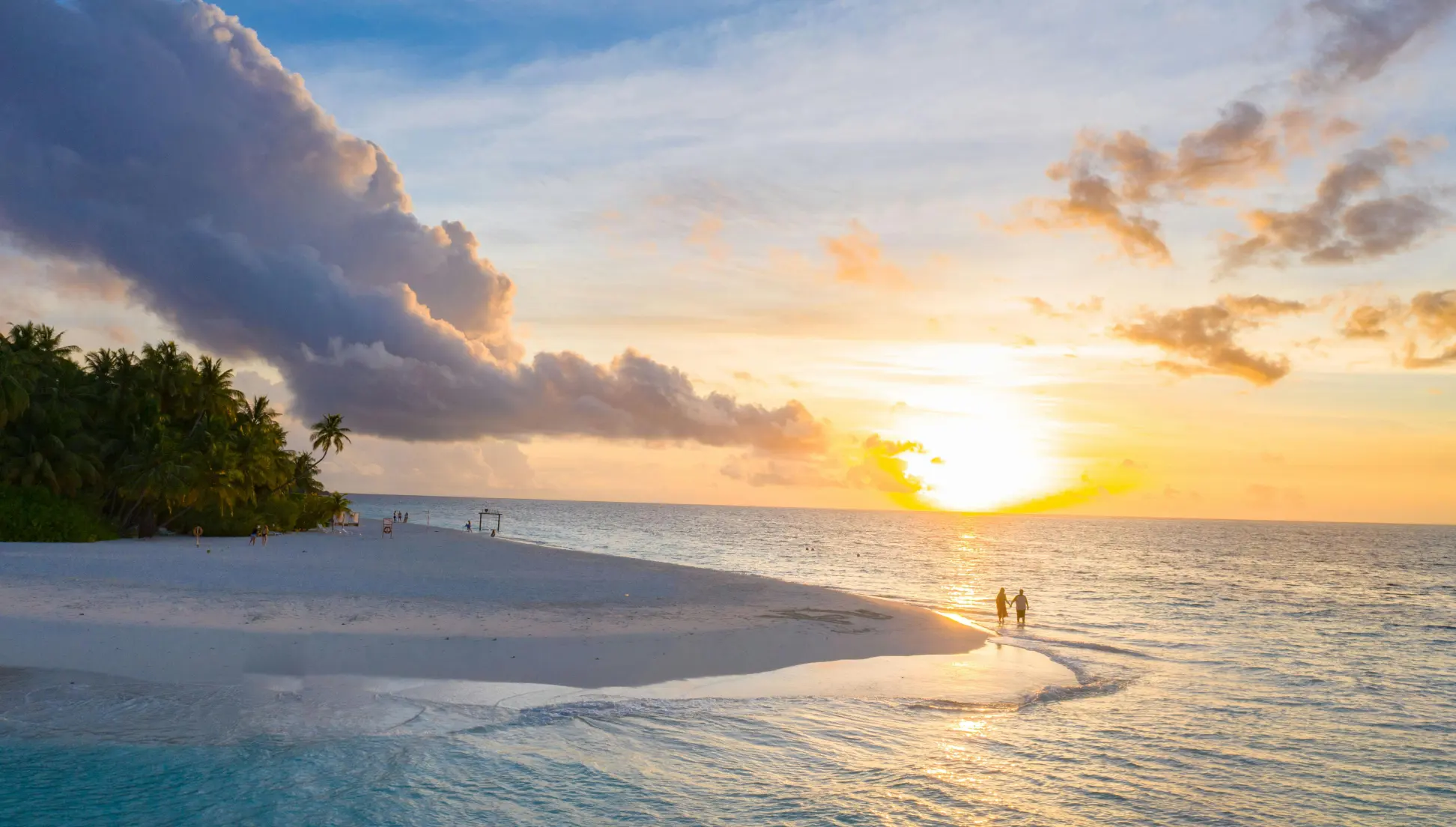
Goa has always been a favorite vacation destination for couples
Goa has always been a favorite vacation destination for couples
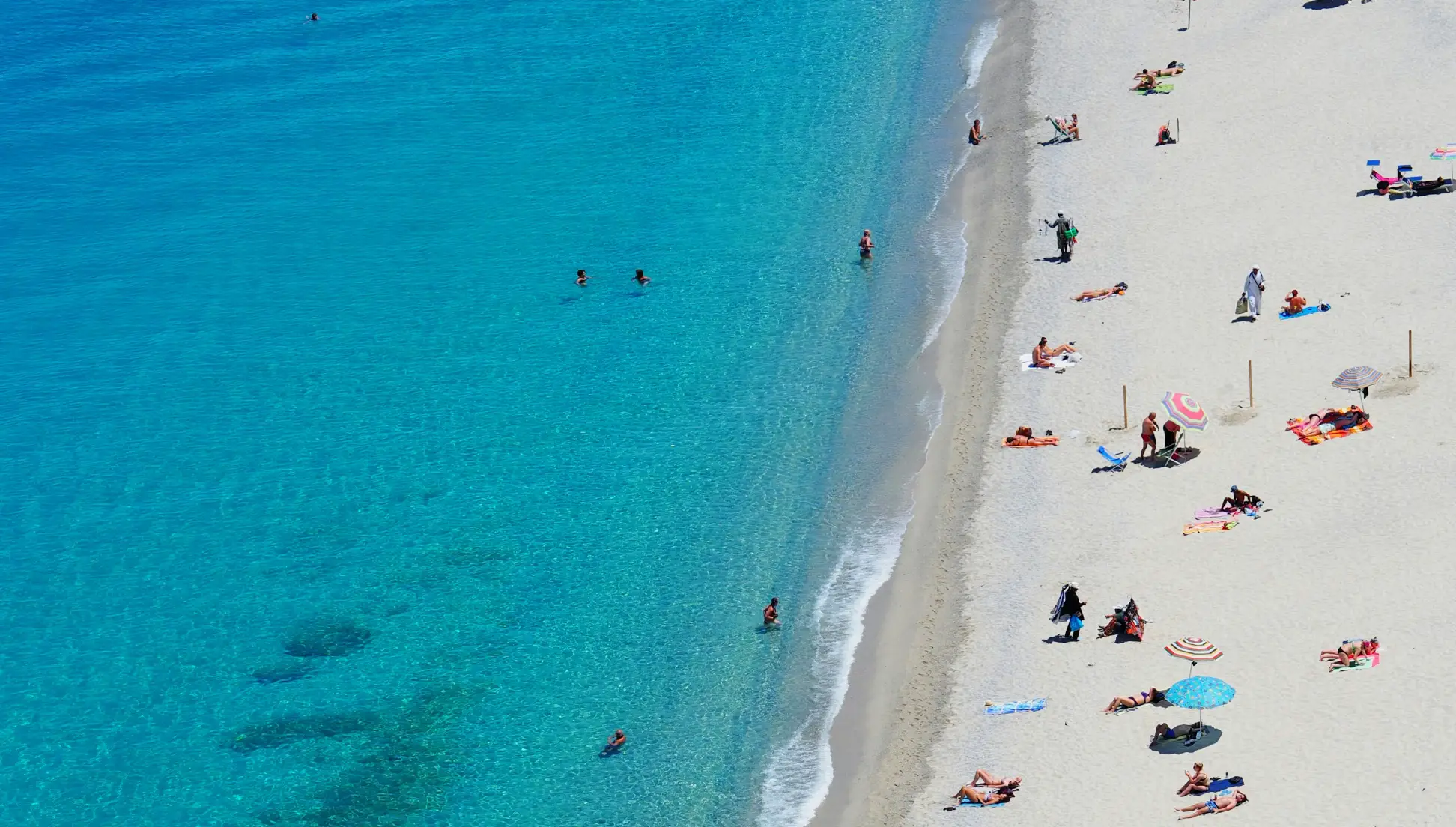
Goa is a dream destination for travelers from Mexico

South Goa is a paradise of tranquility, offering untouched beaches
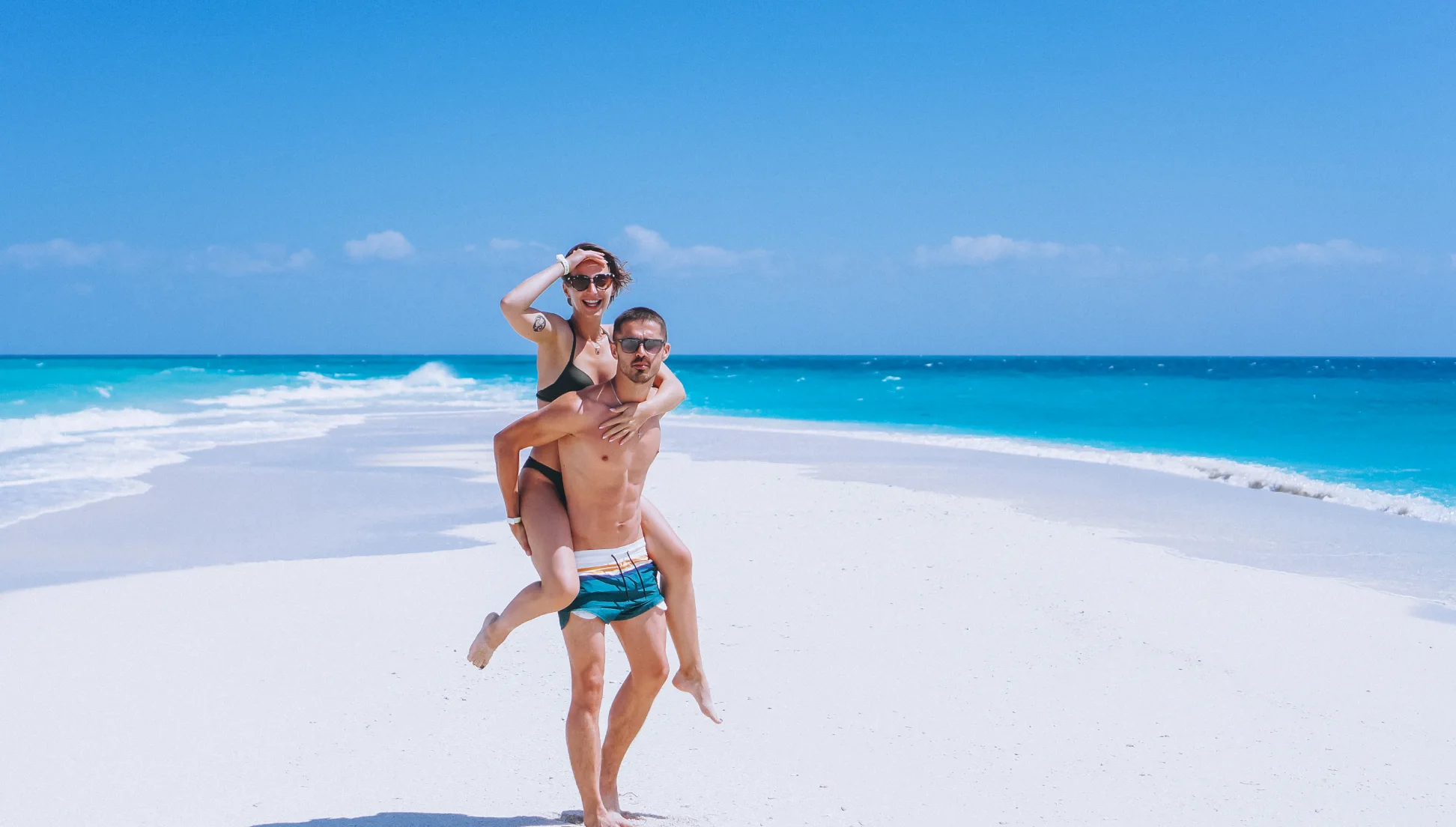
For Canadian vacationers seeking the perfect blend of sun, sand, and serenity

For Canadian vacationers seeking the perfect blend of sun, sand, and serenity
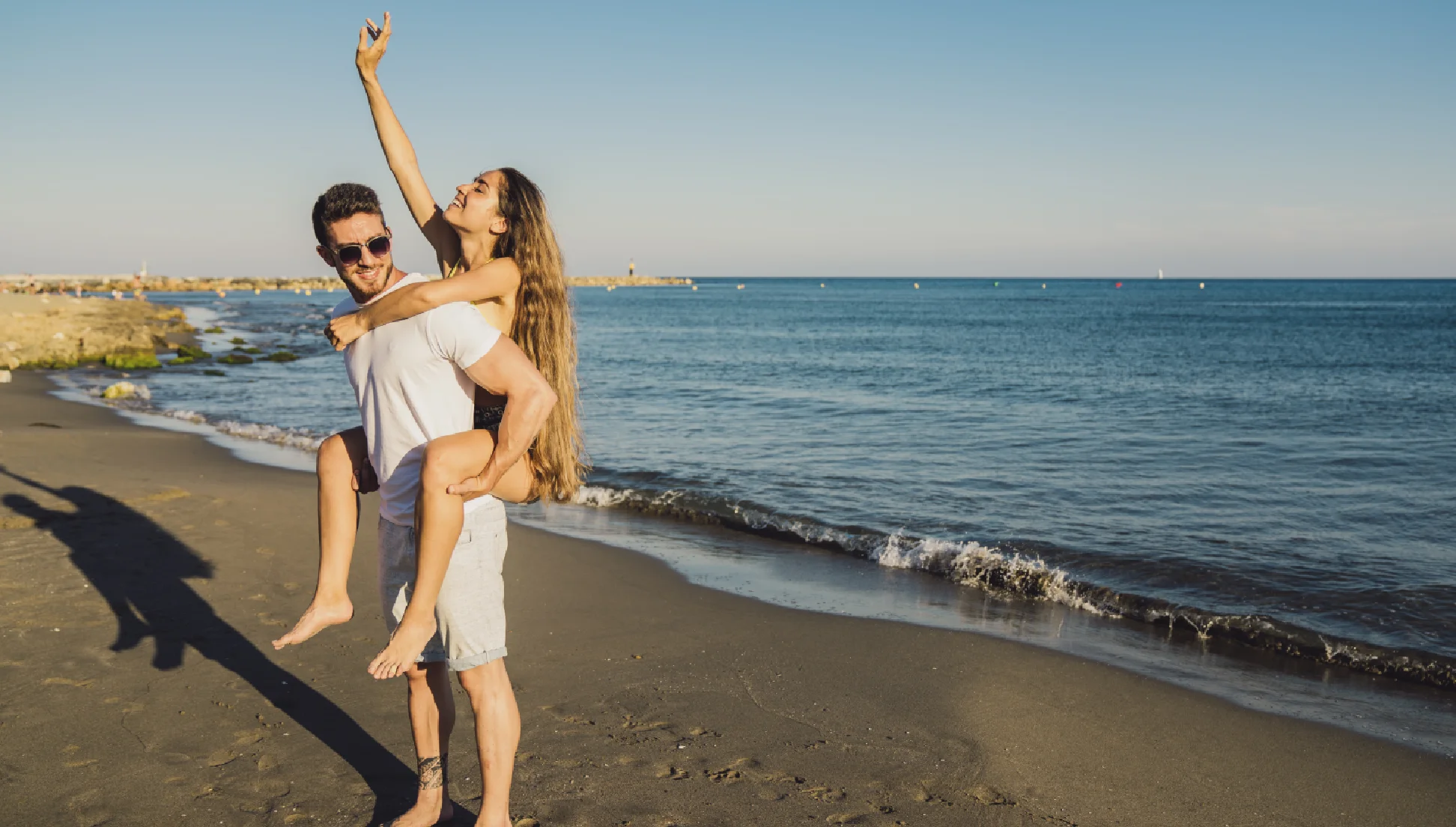
Looking for a romantic beach vacation that blends luxury

For French travelers seeking an exotic yet
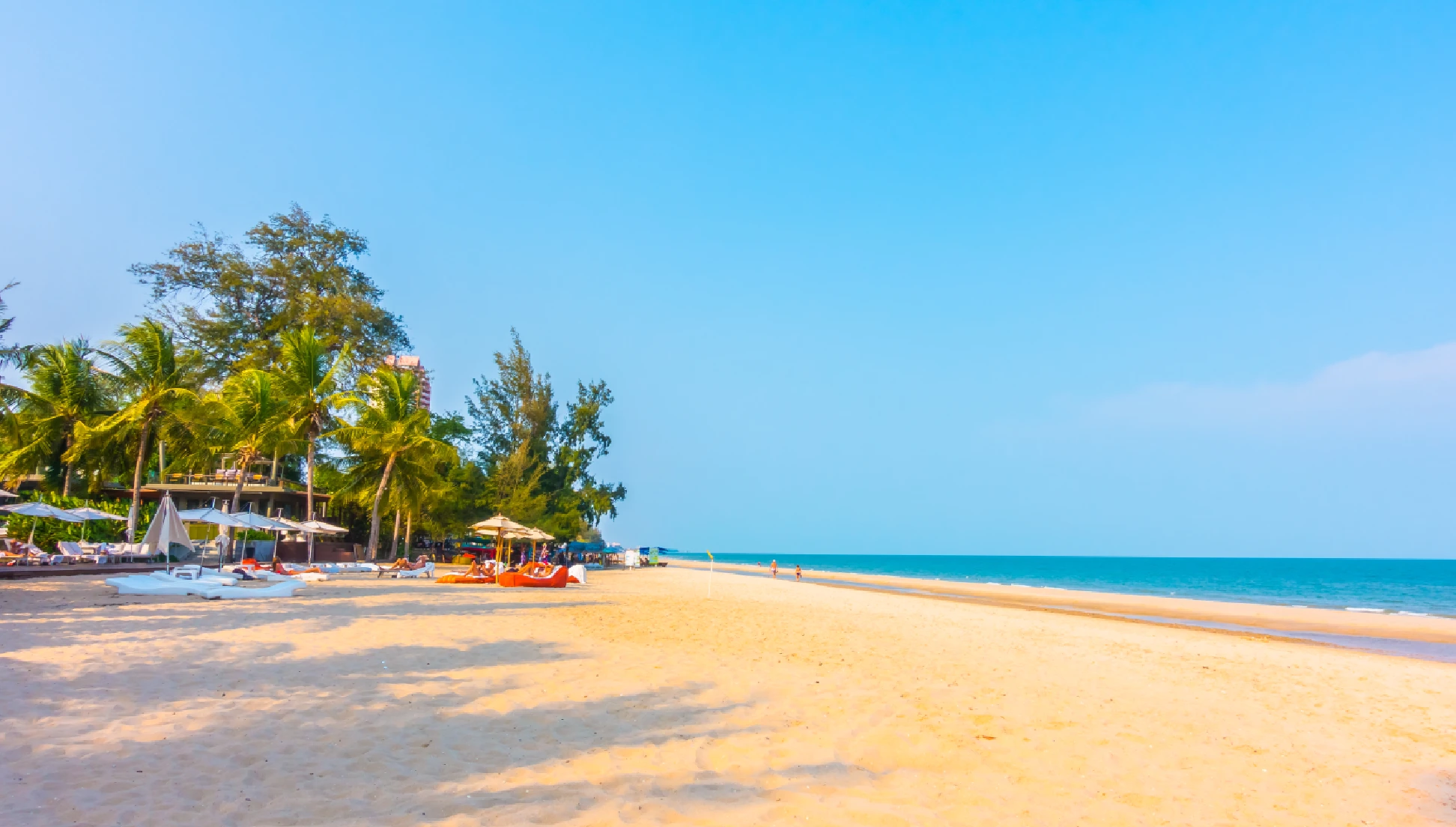
For Spanish travelers searching
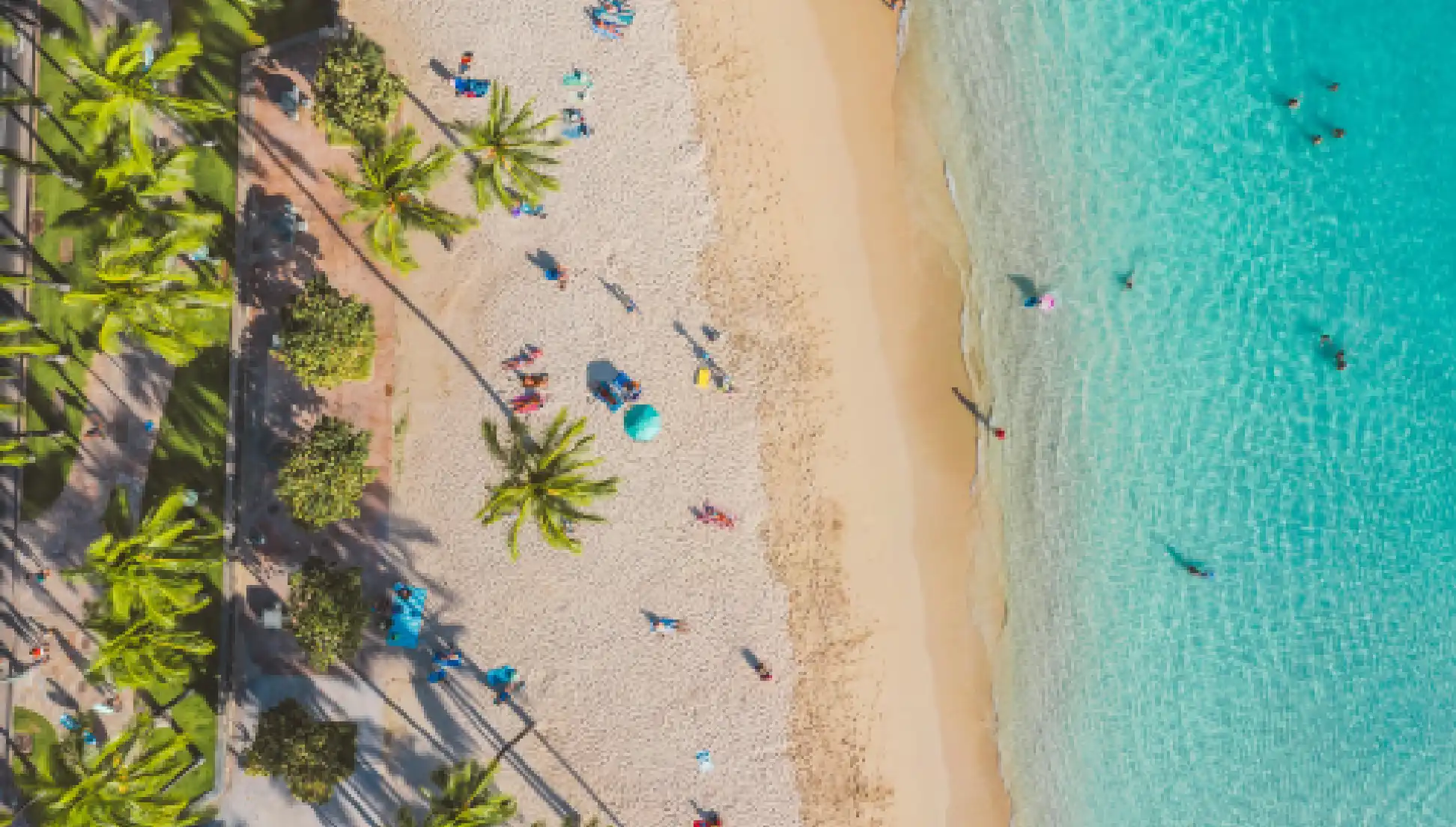
For UK travelers searching for the perfect romantic beach resort in Goa

South Goa has long been a haven for couples seeking a tranquil escape

South Goa's charm lies in its pristine beachese

Goa's beauty lies in its rich blend of vibrant culture, serene beaches, and luxurious resorts

South Goa is a paradise for travellers seeking a blend of serenity, culture, and luxury.

South Goa is a paradise for travellers seeking a blend of serenity, culture, and luxury.

South Goa is a paradise for travellers seeking a blend of serenity, culture, and luxury.

South Goa is a paradise for travellers seeking a blend of serenity, culture, and luxury.

South Goa's tranquil ambience and luxurious offerings make it the perfect destination for couples seeking romance.

In a world where life moves at breakneck speed, finding a sanctuary to unwind and embrace the art of slow living has become a luxury.

South Goa, often celebrated for its serene beaches and tranquil vibe, is also a culinary paradise.

Goa, a land of sun-kissed beaches and vibrant culture, offers two distinct flavors for travelers to savor.

Goa, India's coastal paradise, has long been a magnet for international tourists.

South Goa is a destination where tranquility meets opulence. Known for its serene beaches, exclusive resorts, and rich cultural heritage

South Goa, with its pristine beaches, lush greenery, and luxurious resorts, is a dream destination for couples planning a wedding that's as grand as it is intimate.

Goa's beauty transcends seasons, offering unique experiences throughout the year. South Goa, with its tranquil beaches and lush landscapes

For couples who are looking for a retreat where privacy, elegance, and exclusivity

Ideal for a romantic retreat, it combines intimacy with elegance, making it perfect

Explore the top attractions near Benaulim beach and beyond, giving you plenty

The rich flavors of Goa and international multi-cuisines, dining at our restaurant in

South Goa is a picturesque destination known for its serene beaches, lush

For foreign travelers seeking a dream honeymoon destination, look no further
.webp "Luxury Beachfront Resort in South Goa - Passaros")
.webp "Scenic View of Passaros Resort in South Goa")