South Goa is famous for its beaches. Its natural heritage beyond the coastline is even more remarkable and receives a fraction of the attention it deserves. Within one hour of any South Goa beach resort, you can stand beside India's third-largest waterfall, walk through a Western Ghats forest rich in leopards and giant bison, watch Olive Ridley sea turtles nest on a moonlit beach, or kayak through a freshwater lagoon formed where a mountain creek meets the Arabian Sea. This guide covers the complete South Goa nature experience for 2026-2028 travellers – every major natural site, with practical logistics and the best time to experience each one.
Your base for all of these experiences is ideally Benaulim, from where Orchid Passaros Resort, our best resort in South Goa, can help arrange day trip logistics, driver recommendations, and tour bookings for guests.
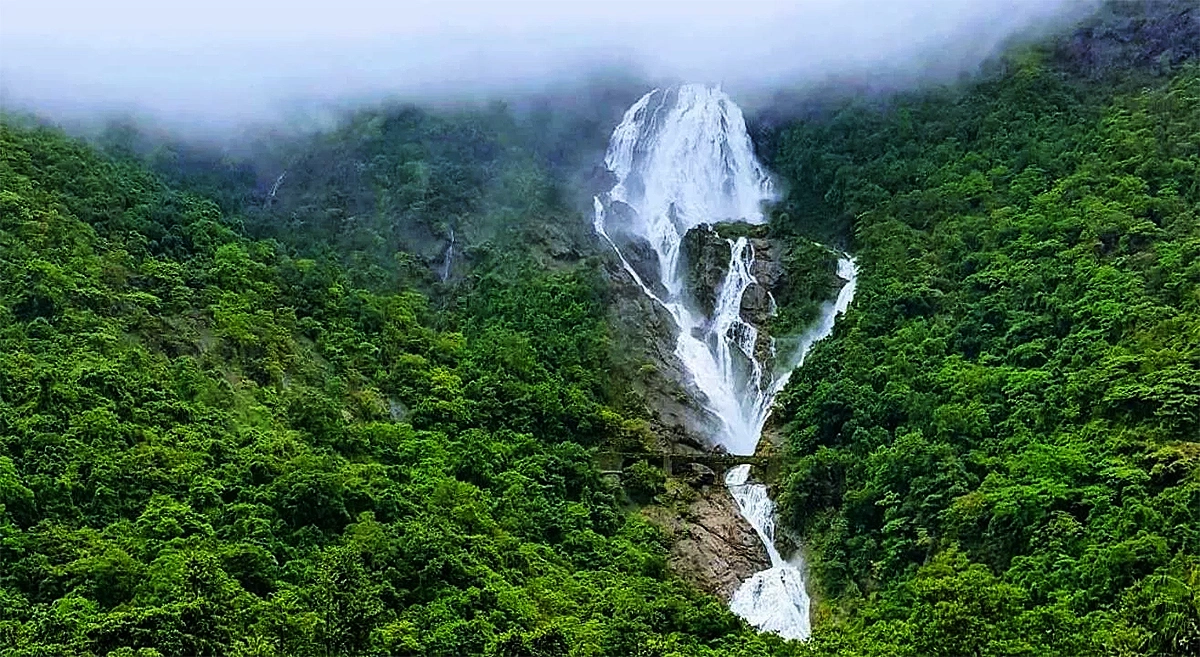
Dudhsagar – Sanskrit for Sea of Milk – is one of India's most impressive waterfalls and one of South Goa's essential experiences. At 310 metres high and up to 30 metres wide in peak flow, it ranks as India's third-largest waterfall by height. Located on the Mandovi River within the Bhagwan Mahaveer Wildlife Sanctuary on the Goa-Karnataka border, approximately 60 kilometres from Margao, it is accessible by a full-day jeep safari through the sanctuary forest.
The best time to visit Dudhsagar Waterfalls is October to December, immediately after the monsoon when the water volume is at its maximum and the surrounding forest is at its most intensely green. By February and March, the flow reduces and the falls are less dramatic, though still entirely worth visiting. The jeep safari from Mollem village is the standard access route – the 4WD journey through the forest, crossing streams, and navigating the rough track to the base of the falls is itself an adventure. The sound and scale of the cascade at the bottom, with the white water thundering into the plunge pool, is genuinely overwhelming. Cost: approximately Rs 1,200-2,000 per person including jeep hire. Full day required.
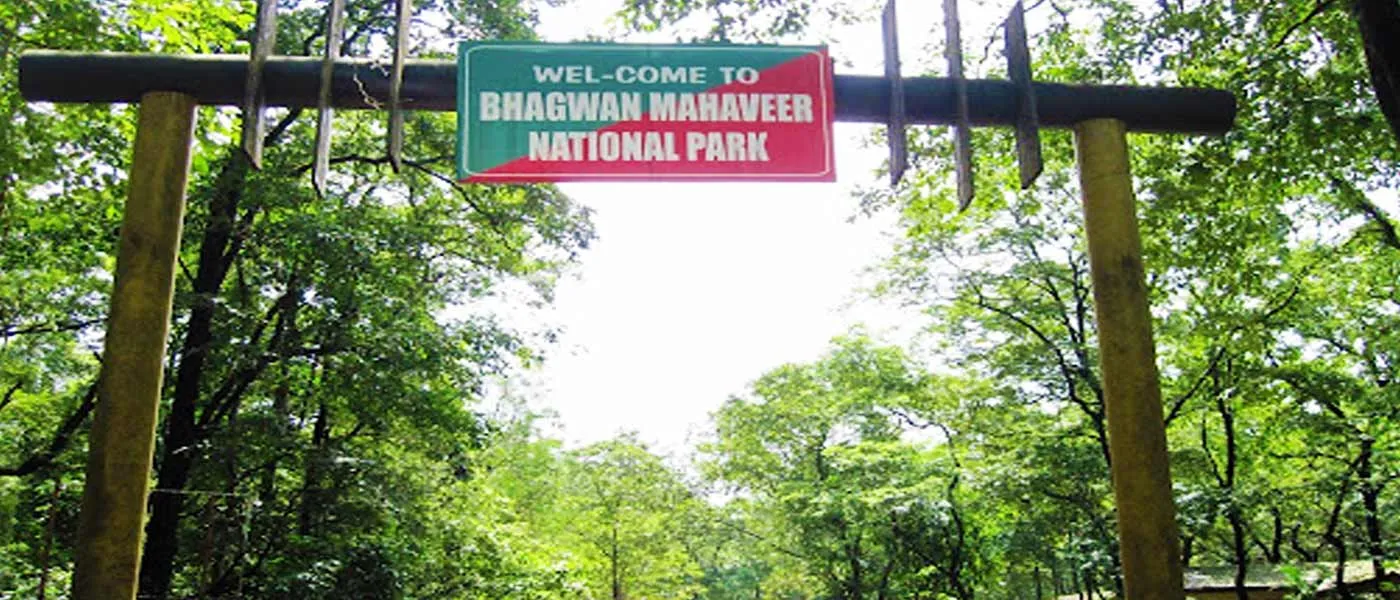
The Bhagwan Mahaveer Sanctuary covers 240 square kilometres of the Western Ghats on South Goa's eastern border. Within it, the Mollem National Park forms a 107-square-kilometre protected core. The sanctuary is a biodiversity hotspot of global significance – part of the Western Ghats UNESCO World Heritage Site cluster – and is home to leopards, gaur (Indian bison, the world's largest wild cattle), sambar deer, wild boar, Indian giant squirrels, flying squirrels, sloth bears, and over 400 bird species including the Malabar Whistling Thrush, Indian Pitta, and multiple kingfisher species.
The Tambdi Surla Mahadev Temple within the sanctuary is Goa's oldest surviving temple, built in the Kadamba-Hemadpanthi style in the 12th century. Made entirely of basalt, a material quarried from the surrounding Western Ghats, it is one of the few structures in Goa that predates Portuguese colonial presence by several centuries. Visiting Tambdi Surla on the way to or from Dudhsagar is straightforward and adds a unique historical dimension to a wildlife day trip. Entry to the sanctuary: Rs 30-40 per person.
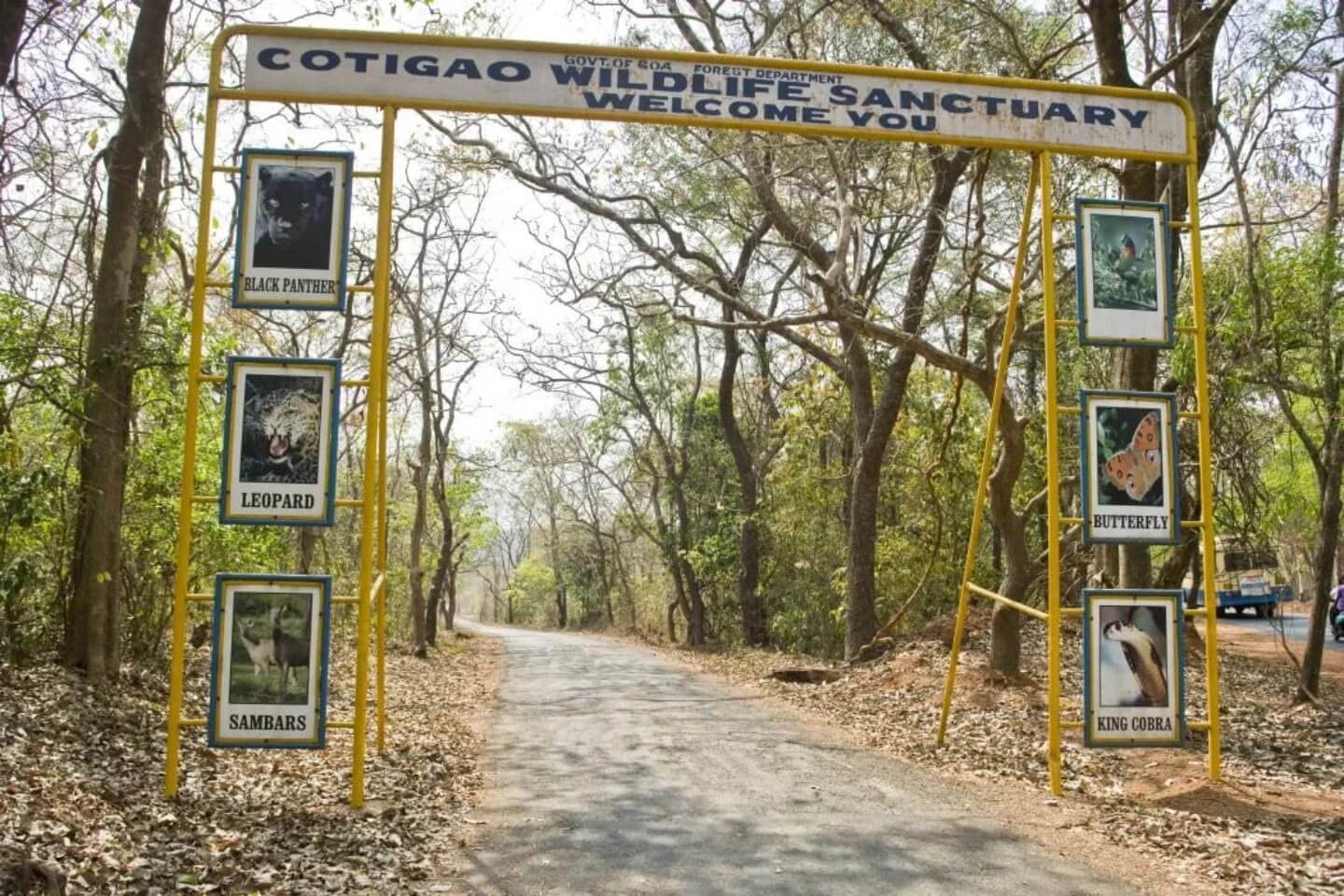
Cotigao Wildlife Sanctuary, in the Canacona taluka of South Goa, is smaller than Mollem at 86 square kilometres but is arguably more rewarding for patient wildlife enthusiasts. The sanctuary's tree-top watchtower, positioned above the Mahem water hole, offers possibilities of sighting gaur, sambar, wild boar, and sloth bear, particularly in the early morning and late afternoon. The birdwatching list includes the Malabar Pied Hornbill, Ceylon Frogmouth, and numerous raptors. The drive into the sanctuary through the semi-evergreen forest is beautiful in its own right. Entry is Rs 30-40 per person. Allow a full day. Located approximately 55 km from Margao.
Netravali, in South Goa's Sanguem Taluka near the Karnataka border, is the least visited of the district's three wildlife sanctuaries and one of the most pristine forest environments in the entire Western Ghats. The Mainapi Kund – a natural spring where the water bubbles up through the forest floor, releasing methane in a permanent low-level flame that glows blue-green at night – is one of the most extraordinary natural phenomena in Goa and is entirely unknown to most visitors. The sanctuary's butterfly diversity, estimated at over 170 species, is exceptional. Entry to Netravali requires a permit from the Forest Department and the experience is genuinely wilderness-level – rough roads, deep forest, and very few other visitors.
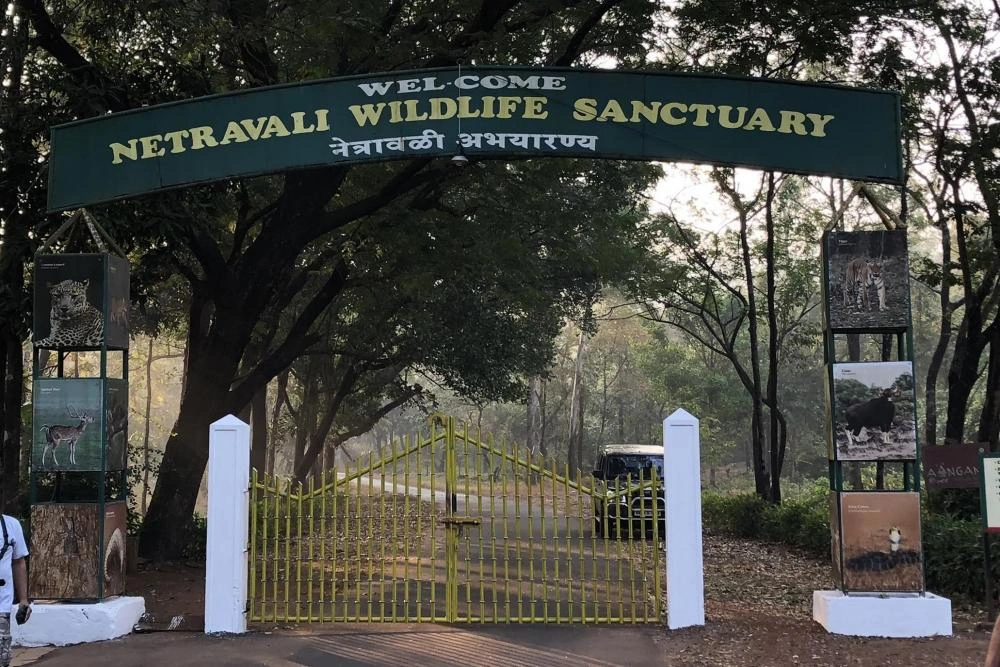
Two South Goa beaches are significant Olive Ridley sea turtle nesting sites – Agonda and Galgibaga. Between November and March, female turtles come ashore at night to lay their eggs, a process called arribada. At Galgibaga, the Forest Department manages a conservation programme that allows supervised turtle-watching sessions on nights when nesting activity is high. At Agonda, voluntary conservation organisations patrol the beach to protect nests. Witnessing an Olive Ridley turtle laying eggs – a large marine reptile hauling herself across the sand under a clear sky, using flippers adapted for the ocean in the clumsy but purposeful work of reproduction – is one of the most moving wildlife encounters available in India.
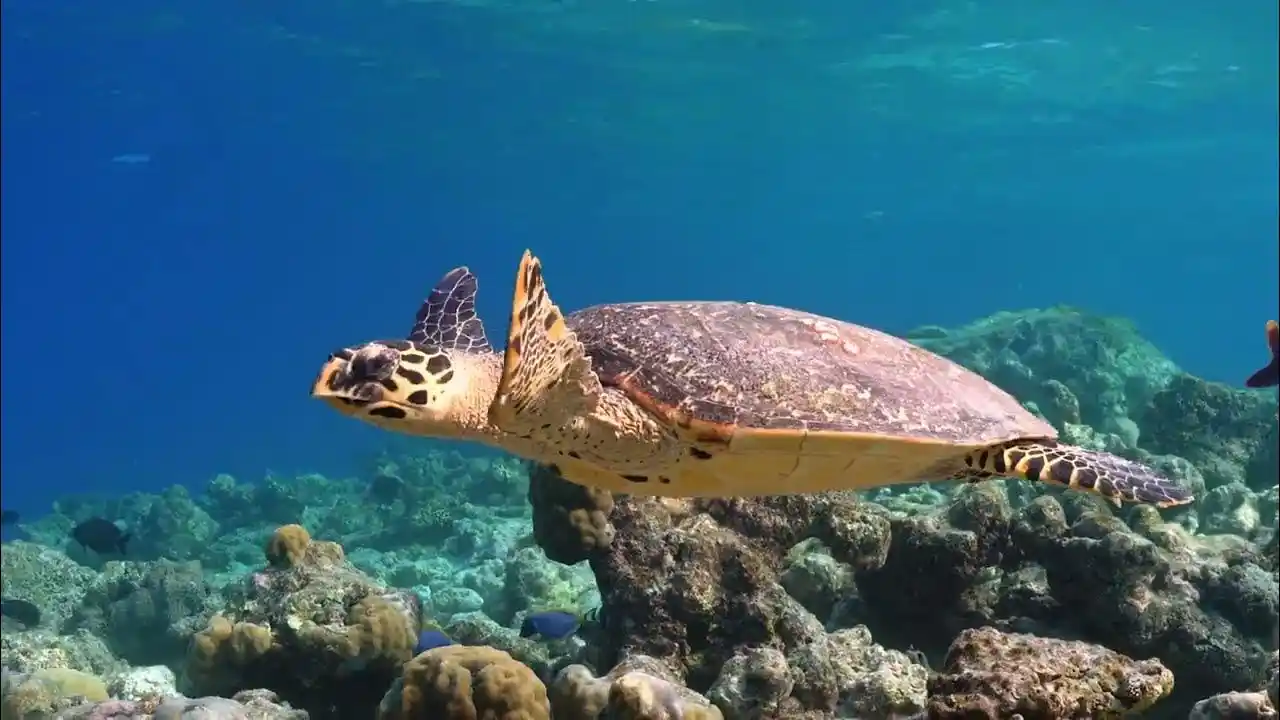
Cola Beach's freshwater lagoon – where a creek fed by the Western Ghats forest descends to the sea – is the finest freshwater bathing environment in South Goa. The lagoon is warm, calm, clear to 2-3 metres depth, and bordered by coconut palms on one side and the sea on the other. Kingfisher birds and egrets hunt along the lagoon edges. The colour of the water – an unusual turquoise-green produced by the sand and forest-filtered mineral content of the spring water – is unlike any other body of water on the Goa coast. Swimming here is safe, extraordinary, and entirely unforgettable.
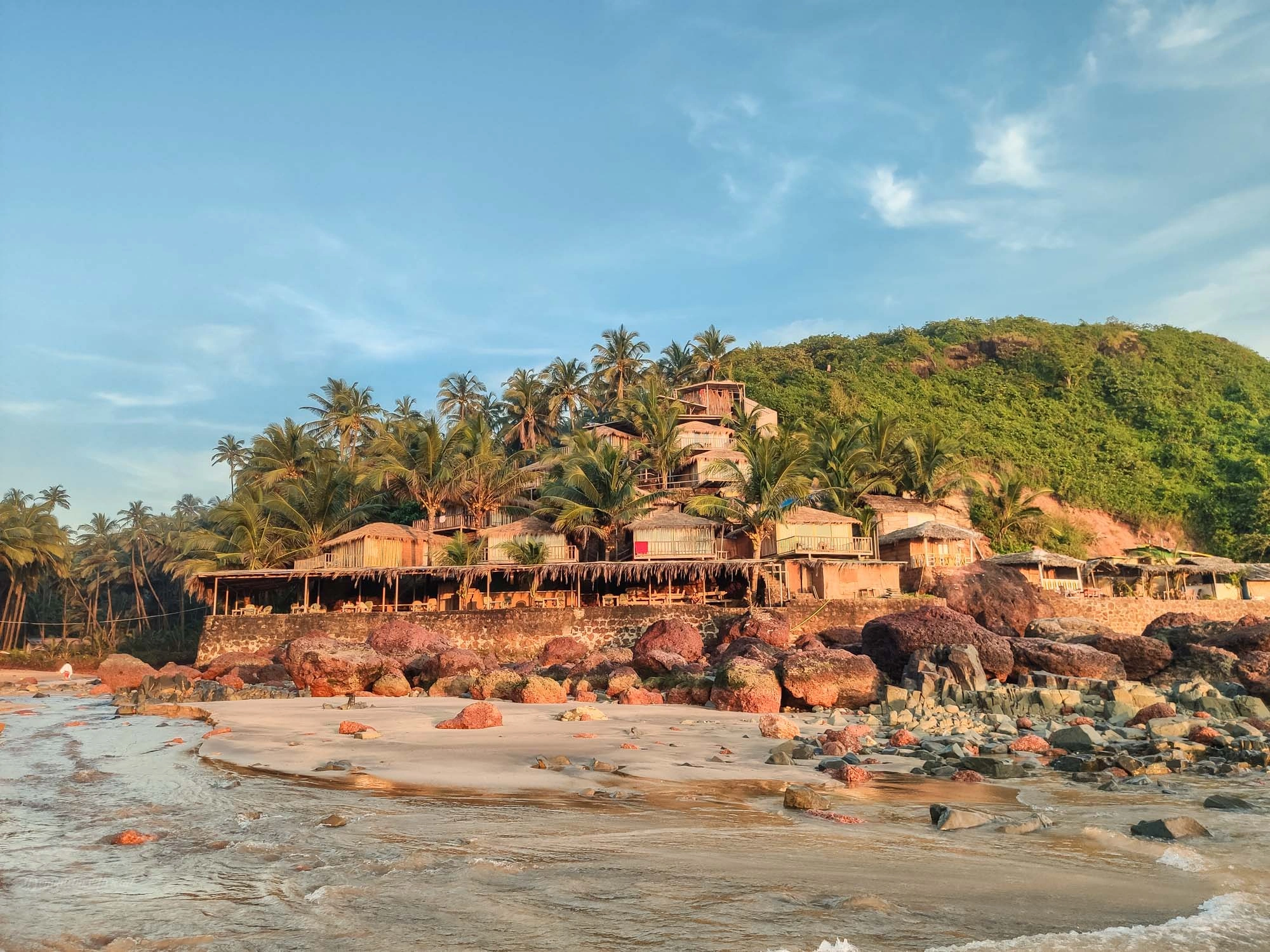
South Goa's interior contains the Salaulim Reservoir – a large artificial lake formed by the Salaulim Dam in the Sanguem Taluka, surrounded by forest and paddy fields. The reservoir is a significant bird habitat and a peaceful picnic destination for travellers who want something entirely different from the beach. Boat rides on the reservoir are available through the Goa Tourism Development Corporation. Crocodiles are resident in some sections of the shoreline – visible but not accessible. Located approximately 40 km from Margao in the direction of Sanguem.
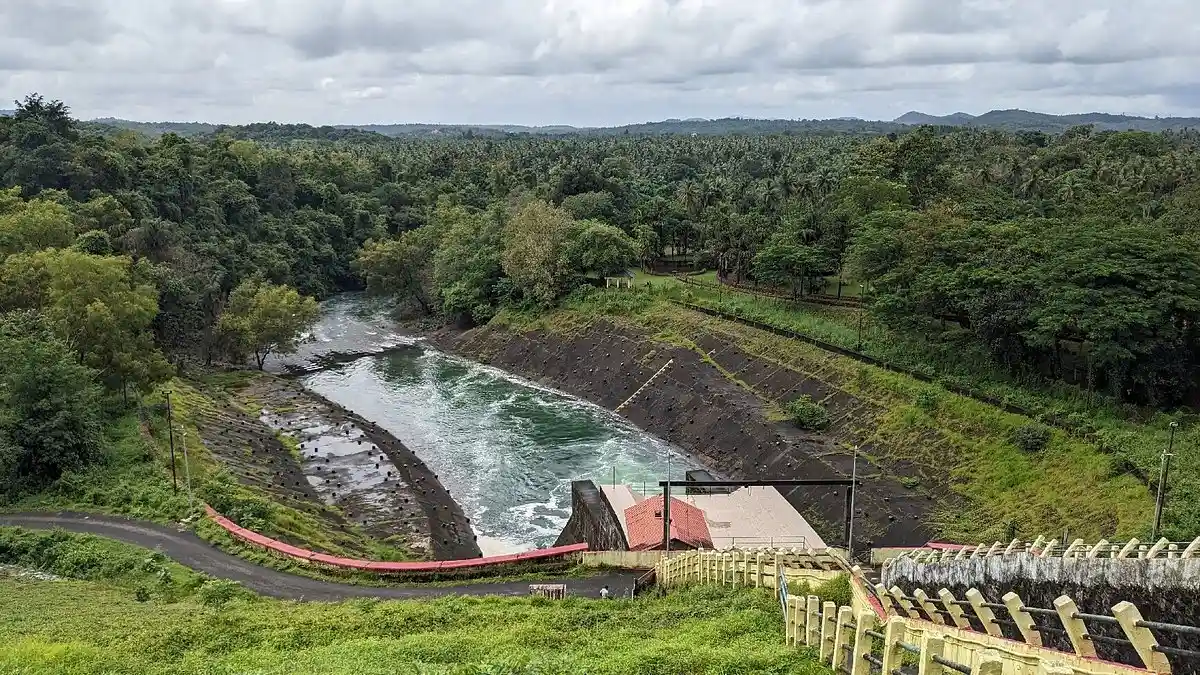
June to September transforms South Goa into a completely different natural environment. Dudhsagar is at full flood – the waterfall is most spectacular in August and September but may not be safely accessible by jeep; the scenic railway bridge view remains available. The Western Ghats forest becomes intensely green and the air fills with the sound of cicadas and frogs. Rice cultivation in the coastal paddies is at its most active. The Cola lagoon fills and deepens.
Waterfalls appear on rock faces across the hinterland that are dry for the rest of the year. For travellers specifically interested in the South Goa monsoon experience, the hinterland, the sanctuaries, and the forest roads are at their most alive. Orchid Passaros Resort, our honeymoon resort in South Goa, offers monsoon retreat packages for couples combining spa, indoor dining, and guided hinterland excursions.
"Dudhsagar in October was the most spectacular natural experience of our India trip. The jeep ride through the forest, the sound of the waterfall – extraordinary." – Lars and Ingrid, Copenhagen
"Watching the turtle come ashore at Galgibaga at midnight in November was one of the most profound wildlife experiences of my life. South Goa is extraordinary for nature." – Priya, Hyderabad
"We never expected to find such incredible wildlife and forest so close to the beach. Cotigao sanctuary in the morning – gaur at the water hole – was unforgettable." – Michael and Jane, Melbourne
1. What is the best time to visit Dudhsagar Waterfalls?
October to December, when the post-monsoon water volume is highest. Full-day jeep tour from Mollem, costing approximately Rs 1,200-2,000 per person. The scenic railway bridge view is accessible year-round.
2. Can I see wildlife at South Goa's sanctuaries?
Yes – the Bhagwan Mahaveer Sanctuary (Mollem) and Cotigao both offer realistic wildlife sighting opportunities for gaur, sambar, wild boar, and birds. Early morning watchtower sessions at Cotigao are best.
3. When can I watch Olive Ridley turtles nest in South Goa?
November to March at Agonda and Galgibaga beaches. Galgibaga has a Forest Department-managed turtle watching programme. Contact South Goa Forest Department for supervised session booking.
4. Is Cola Beach accessible by scooter?
The final stretch to Cola Beach is a rough laterite track. Manageable by scooter with care and confidence. A taxi or 4WD is more comfortable.
5. What is the best base for South Goa nature day trips?
Benaulim gives good central access to Dudhsagar, Cola Beach, Cotigao, and the Galgibaga-Agonda turtle beaches. Orchid Passaros Resort in Benaulim can arrange driver recommendations and tour logistics. Book at https://orchidresortgoa.com/hotel-rooms-booking-in-goa-benaulim
For the complete South Goa guide covering beaches, heritage, accommodation, logistics, and the full 30-site master list – read the Master Blog: The Definitive Guide to Places to Visit in South Goa District 2026-2028.
Discover untouched coastal gems in South Goa Hidden Beaches 2026-2028.
Walk through centuries of history with The Complete South Goa Heritage Trail 2026-2028.
Plan the perfect getaway for all ages with South Goa Family Travel Guide 2026-2028.
explore
Dolphin tours, water sports, heritage sites, day trips & more at Benaulim Beach

Dolphin tours, water sports, heritage sites, day trips & more at Benaulim Beach

Explore Places like; waterfalls, secret beaches

Explore Places like; waterfalls, secret beaches

Explore Places like; waterfalls, secret beaches

Explore Places like; waterfalls, secret beaches

Explore Places like; waterfalls, secret beaches

For couples who are looking for a retreat where privacy, elegance, and exclusivity
.webp "Luxury Beachfront Resort in South Goa - Passaros")
.webp "Scenic View of Passaros Resort in South Goa")