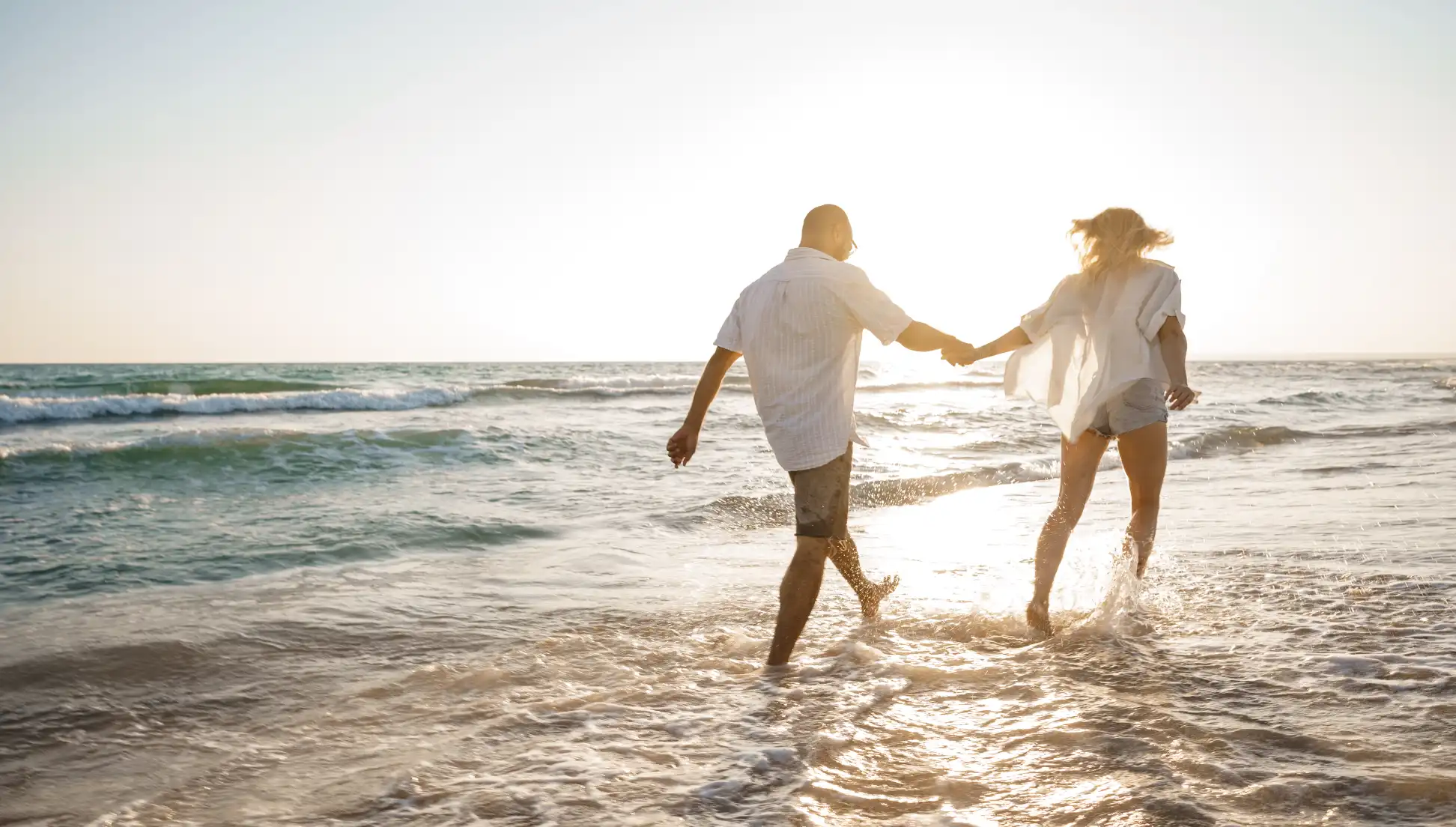
South Goa is a district that has been misunderstood by mass tourism for years, and that misunderstanding has worked entirely in its favour. While North Goa absorbed the crowds, the noise, and the relentless commercial development that follows famous beaches everywhere in the world, South Goa was left to evolve on its own terms. What it became – and what it continues to be in 2026-2028 – is the most complete, varied, and genuinely beautiful travel destination on the Indian coastline.
This guide is the most comprehensive resource available for anyone planning to visit South Goa District in 2026, 2027, or 2028. It covers every category of experience available in the region: beaches from the famous to the utterly secret, heritage sites that would be internationally celebrated if they were located anywhere in Europe, wildlife sanctuaries of global significance, cultural villages that have barely changed in three centuries, and the finest luxury accommodation the region offers – anchored by Orchid Passaros Resort, South Goa's premier adults-only luxury retreat in Benaulim. Whether you are a domestic traveller planning a long weekend, an international visitor on your first India trip, a couple seeking a honeymoon destination, or a family wanting a genuine cultural holiday, this guide covers everything you need.
The goal of this article is simple: after reading it, you should be able to plan every day of a South Goa trip, answer your own questions about logistics and budget, and make decisions about where to stay and what to prioritise with complete confidence. No other guide on South Goa will be more thorough, more current, or more practically useful for travel in 2026-2028.
1.08 crore Total tourist arrivals in Goa in 2025 – a new record
5.17 lakh International tourists visiting Goa in 2025
37 km Approximate length of South Goa's main coastal beach belt
240 sq km Area of Bhagwan Mahaveer Wildlife Sanctuary – South Goa's largest protected forest
310 metres Height of Dudhsagar Waterfalls – India's third tallest
6 km Margao to Benaulim Beach – gateway to South Goa's finest beaches
16th century Origin of many of South Goa's most important Portuguese heritage structures
South Goa District covers the southern half of Goa state, stretching from the Zuari River in the north to the Karnataka border in the south. It encompasses the talukas of Salcete, Mormugao, Quepem, Sanguem, and Canacona. Its coastline runs approximately 70 kilometres and includes some of the finest beaches in Asia. Its interior – the hinterland between the coast and the Western Ghats – is a landscape of paddy fields, coconut plantations, laterite rock formations, Portuguese villages, ancient temples, and wildlife-rich forests that most Goa visitors never see.
Margao, the district's main city, is a genuine urban experience – a market city with Portuguese-era architecture, an excellent railway station, and the commercial pulse of South Goa. It is the practical hub from which all South Goa exploration radiates. Dabolim Airport, technically within South Goa's jurisdiction, receives the majority of Goa's international charter flights and is the gateway for most international visitors arriving in the district.
What makes South Goa different from the north in character is harder to quantify than a simple list of beaches and sites. It comes down to a feeling – the feeling that the destination is still primarily for the people who live there, and that visitors are welcome participants in rather than the dominant force behind what happens here. Fishing still happens on Benaulim Beach every morning. Festivals at the Shanta Durga Temple in Kavlem draw local worshippers in their tens of thousands. The Chandor mansions are owned and curated by the same families who have lived in them for three centuries. And Orchid Passaros Resort, our romantic resort in South Goa, in Benaulim – was designed to belong to this landscape rather than to overwhelm it.
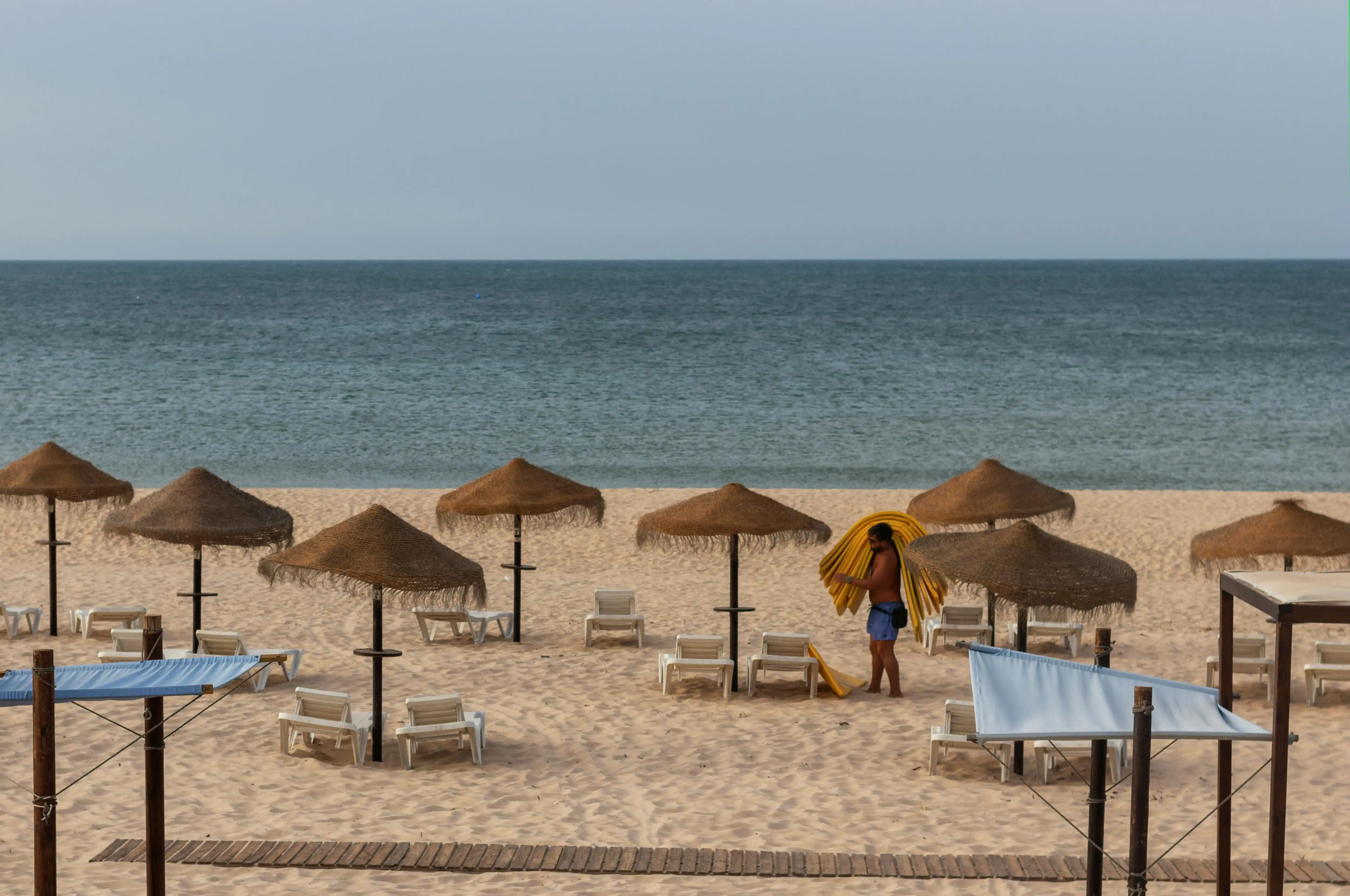
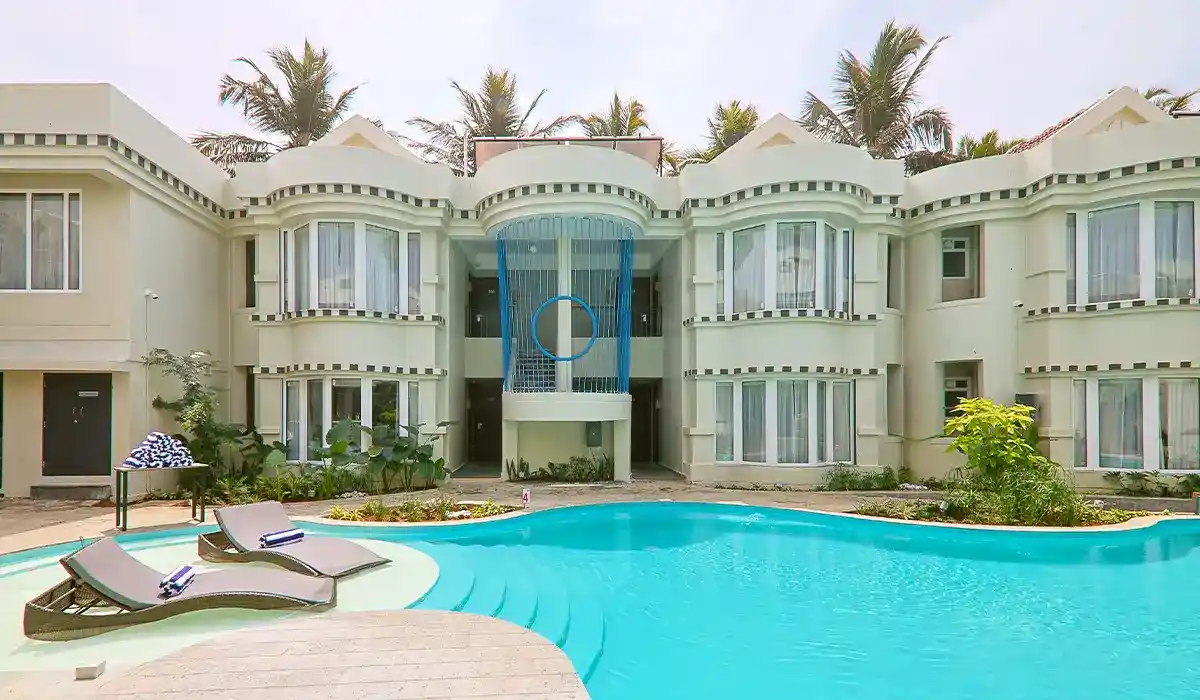
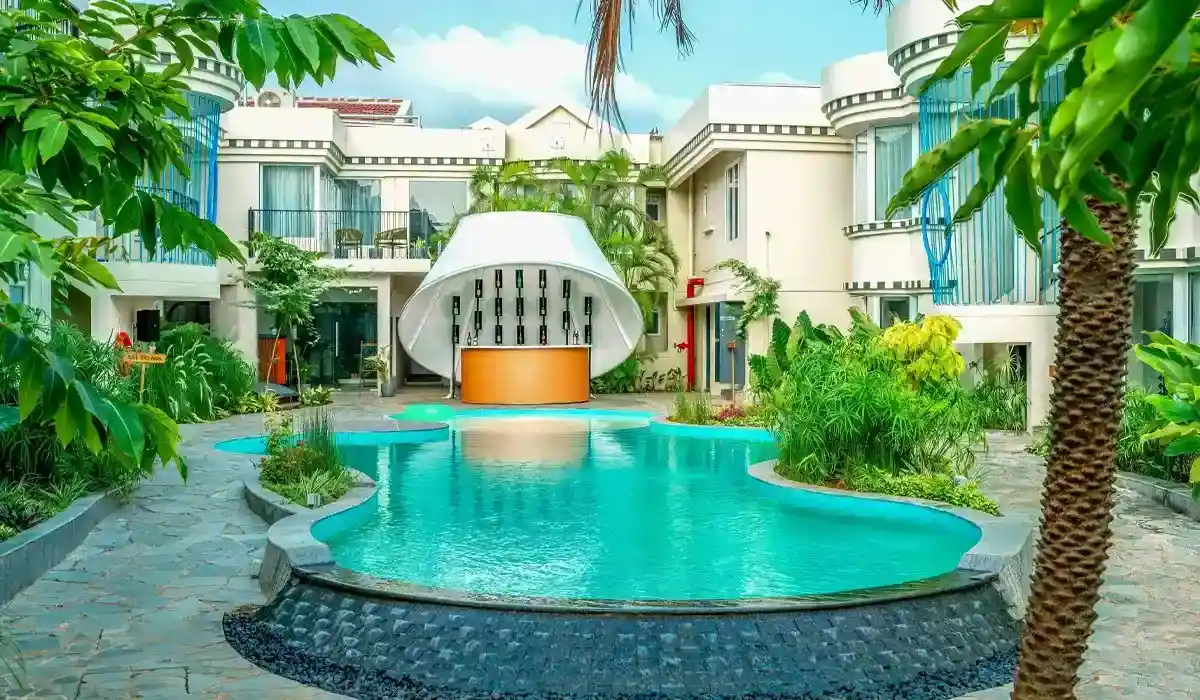
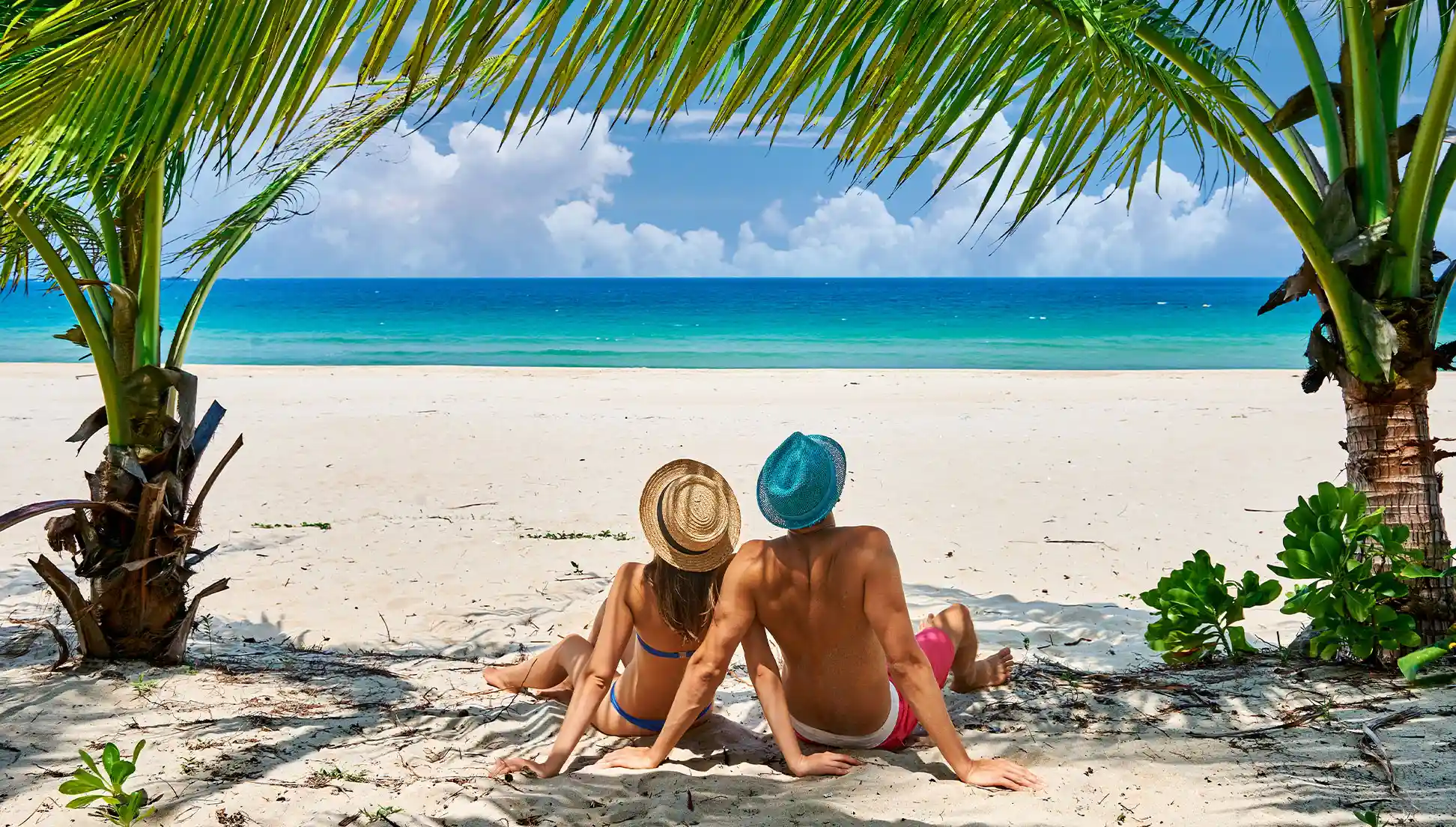
The starting point for any serious guide to South Goa beaches is Benaulim. Six kilometres from Margao, 31 kilometres from Dabolim Airport, Benaulim is the definitive South Goa beach experience – wide, golden, west-facing, clean, and genuinely quiet even in peak season. The fishing village that surrounds it has maintained its character against the commercialisation pressure that has transformed other Goa beaches. Dolphin-spotting tours depart from the beach every morning. Water sports are available October to April. The Goa Chitra Museum is in the village. And Orchid Passaros Resort, South Goa's finest couples-only resort in South Goa, is just 270 metres from the sand.
Palolem is South Goa's most photographed beach and one of the most scenic in India. A near-perfect crescent bay enclosed by forested headlands at both ends, with calm, clear water and a narrow strip of sand that fills and empties with the tide, it is visually extraordinary. Located 37 kilometres south of Margao, Palolem supports a thriving seasonal village of beach huts, restaurants, and yoga centres. Silent discos – headphone parties on the beach – are a Palolem institution. Kayaking to Butterfly Beach, the hidden cove just north of Palolem, is one of South Goa's most memorable half-day experiences.
Agonda is South Goa's most protected and eco-conscious beach. Located 8 kilometres north of Palolem, it is one of the few Goa beaches that has successfully resisted large-scale commercial development. Strict noise regulations, a ban on motorised water sports, and the beach's status as a nesting site for Olive Ridley sea turtles (between November and March) create an atmosphere of deliberate, enforced calm. Agonda is favoured by yoga practitioners, long-stay travellers, and anyone who wants Goa's beaches without any trace of Goa's party reputation. It is one of India's genuinely special natural environments.
Colva is South Goa's most accessible and most popular beach – 6 kilometres from Margao, served by regular buses, and equipped with good restaurants, beach shacks, and water sports infrastructure. At 2.4 kilometres long, it is shorter than Benaulim but more concentrated in its energy. Weekend crowds can be significant in peak season. For travellers who want the full beach shack experience with good facilities and easy access, Colva delivers. The Our Lady of Mercy Church, located in the village above the beach, is a 17th-century Portuguese Baroque structure worth visiting.
Known locally as Sunset Beach and also called Lover's Beach by romantically inclined visitors, Betalbatim is 3 kilometres south of Benaulim and one of South Goa's finest dolphin-watching locations. Unlike most Goa beaches lined exclusively with coconut palms, Betalbatim is backed by a grove of casuarina (pine) trees, which gives the shoreline an unusual, almost Mediterranean character. Bioluminescent plankton is occasionally visible in the surf after dark between November and February – one of the most magical natural phenomena available on the entire Indian coast.
Cavelossim sits at the mouth of the Sal River where it meets the Arabian Sea, a geographical feature that creates a particularly dramatic beach environment. The beach itself is wide, white, and relatively uncrowded. The confluence of river and sea – visible from the beach's southern end – is a beautiful natural sight. Cavelossim is home to several of Goa's large 5-star resort properties and is the most developed end of South Goa's luxury beach belt. For a half-day excursion, boat trips from the Cavelossim river mouth to Betul further south are available and offer a genuinely different perspective on the coast.
Varca is wide, white, quiet, and largely undiscovered by the mainstream tourist market. It is home to the Park Hyatt Goa Resort and several other exclusive properties but retains a beach character that feels more like a private shoreline than a public facility. Horses are sometimes available for beach rides at Varca – a uniquely romantic and slightly surreal experience against the backdrop of the Arabian Sea. The Varca church, Our Lady of Health, is a beautifully maintained Portuguese Baroque structure overlooking the beach from a small hill.
Cola, also written as Khola, is one of South Goa's most genuinely extraordinary natural environments. Located in the Canacona area approximately 40 kilometres south of Margao, it is divided into North Cola and South Cola by a low hill. Between them – where a freshwater creek descending from the Western Ghats forest meets the Arabian Sea – is a lagoon of remarkable clarity and beauty. The lagoon is separated from the sea by a narrow strip of sand and is one of the finest natural swimming environments in Goa. The remote location (accessible by a rough road from Agonda or Palolem) ensures that it never becomes crowded. Cola is, for those who seek it out, the most beautiful beach in South Goa.
Butterfly Beach is accessible only by boat from Palolem (approximately Rs 1,500 to Rs 2,500 per group, 15 minutes each way) or by a demanding jungle trek from Agonda. This inaccessibility is its greatest asset. A small, crescent-shaped cove enclosed by forested cliffs, Butterfly Beach offers a level of seclusion and natural beauty that is genuinely rare on the Indian coastline. Dolphins are frequently seen offshore. Butterflies – the source of the name – are abundant in the surrounding forest. Time your visit for early morning, before the day-tripping boats from Palolem arrive, for the best experience.
The southernmost of South Goa's significant beaches, Galgibaga is approximately 52 kilometres from Margao and is one of the most important Olive Ridley sea turtle nesting sites in Goa. Protected by strict conservation regulations, it is deliberately underdeveloped – a handful of eco-friendly stays, no motorised water sports, and a management framework designed to keep the turtle nesting cycle intact. For travellers who want to see India's marine conservation efforts at their most serious and most successful, Galgibaga between November and March is unmissable.
Kakolem, known locally as Tiger Beach, is one of South Goa's most dramatic hidden beaches. Accessible by a steep descent from the road above (approximately 300 steps), it sits at the base of a forested cliff system that towers over the Arabian Sea. The beach is small, the surf stronger than most South Goa beaches, and the surroundings – dense forest, volcanic boulders, turquoise water – are extraordinary. Not suitable for swimming due to currents, but for photography and the experience of a truly wild Goa beach, nothing compares to it.
Talpona lies between Galgibaga and Agonda and represents the quietest end of South Goa's southern coastal spectrum. Virtually no commercial development, no water sports, and very few visitors even in peak season. A river mouth at the southern end creates a natural swimming pool of calm water. For travellers willing to make the effort of reaching it, Talpona delivers the most pristine and undisturbed beach environment in South Goa outside of Galgibaga.
Chandor, 9 kilometres east of Margao, contains one of India's most extraordinary private heritage buildings: the Menezes-Braganza-Pereira house. Constructed over 350 years ago by the aristocratic Braganza family, it is the largest and most elaborately furnished Portuguese colonial mansion still standing in Goa. The interior contains the family's original European furniture, chandeliers, porcelain, crystal, paintings, and a private library that is still one of the finest in the state. Both wings of the house are still owned by descendants of the original family, who conduct guided tours by appointment. Entry is by donation. Chandor also contains the Fernandes house, an equally remarkable 18th-century property with an underground hiding room dating from the Inquisition. This village is one of India's most significant cultural heritage sites and is visited by a fraction of the tourists who deserve to see it.
Located 12 kilometres north-east of Margao on the banks of the Zuari River, Rachol Seminary is one of India's oldest surviving Christian institutions. The original church on this site dates to 1521. The current seminary structure, built between 1574 and 1610, houses a museum of Christian art containing some of Goa's finest devotional paintings, sculptures, and liturgical objects from the Portuguese colonial period. The building itself – massive, austere, and commanding over the river bend – is one of the most architecturally significant structures in South India. Not widely visited by tourists, which means those who go have the entire space largely to themselves.
The Big Foot Museum in Loutolim, created by artist and cultural conservationist Maendra Alvares, is one of Goa's most original and immersive cultural attractions. Life-size sculptures and dioramas recreate scenes from 18th-century Goan village life – a toddy-tapper climbing a palm, a rice harvest, a village wedding, a traditional Goan kitchen. The 'Big Foot' sculpture garden, the Limca Book of Records-listed laterite monolith, and the spice garden surrounding the complex make this a 2-hour minimum visit. Located 20 kilometres from Margao and 26 kilometres from Benaulim.
Victor Hugo Gomes spent decades recovering and preserving the agricultural and domestic implements of traditional Goan village life – tools, furniture, fishing equipment, religious objects, weaving frames, rice-processing devices – that were being discarded as villages modernised. The result is the Goa Chitra Museum: 4,000 artefacts across a beautifully organised space in Benaulim village, walking distance from Orchid Passaros Resort. It is, without qualification, one of the finest folk and cultural museums in India. Entry is Rs 200. Essential for any visitor who wants to understand Goa as something more than a beach destination.
The Palacio do Deao is an 18th-century Indo-Portuguese mansion in Quepem, lovingly restored by its owners Ruben and Celia de Vasconcelos. The house, the gardens, and the guided tour (conducted by the owners themselves) provide the most intimate and personal Portuguese colonial heritage experience available in Goa. Lunch in the garden – traditional Goan Catholic cuisine prepared from the house's own garden – is available by prior booking and is one of the most memorable meals in the region. This is the kind of experience that defines the difference between visiting Goa and understanding it.
The most important Hindu temple in South Goa and one of the most revered in the state, the Shanta Durga Temple in Kavlem (Ponda Taluka, approximately 35 kilometres from Margao) is dedicated to the goddess who mediated peace between Shiva and Vishnu. The temple's architecture combines Hindu and Portuguese Baroque elements in the characteristic Goa temple style – a Baroque-influenced lamp tower (deepstambha) flanking a traditional Goan Hindu sanctum. The temple's annual festival (Zatra) draws hundreds of thousands of devotees. Open to all visitors. The drive through the Goa interior to reach it is itself beautiful.
Located in the Canacona taluka of South Goa, Cotigao Wildlife Sanctuary covers 86 square kilometres of some of the most pristine semi-evergreen and moist deciduous forest in western India. It is less visited than Mollem to the north but arguably more rewarding for serious wildlife and nature enthusiasts. The sanctuary's tree-top watchtower at the Mahem water hole offers the possibility of sighting gaur (Indian bison), sambar deer, wild boar, sloth bears, and – if very fortunate – leopards. Bird life is exceptional. Entry is Rs 30-40 per person.
South Goa's largest protected area covers 240 square kilometres of Western Ghats forest, centred on the Mollem plateau. Within its boundaries lie Dudhsagar Waterfalls, the Tambdi Surla Temple (Goa's oldest surviving temple, 12th century), and some of the richest biodiversity in peninsular India. Jeep safaris are available from Mollem village. The Dudhsagar jeep ride – approaching the 310-metre waterfall through the forest in a 4WD vehicle – is one of the most spectacular natural tourism experiences in Goa.
Below is the definitive compiled list of must-visit places in South Goa, organised from the coast inward and covering every category of experience available in the district in 2026-2028.
1. Benaulim Beach – South Goa's finest beach for couples and dolphin spotting. Base for Orchid Passaros Resort – honeymoon resort in South Goa.
2. Palolem Beach – South Goa's most scenic crescent bay. Kayaking, silent discos, Butterfly Beach access.
3. Agonda Beach – Eco-protected, turtle-nesting, no motor sports. Most serene beach in South Goa.
4. Colva Beach – Most accessible South Goa beach. Good shacks, water sports, easy from Margao.
5. Betalbatim Beach – Sunset Beach. Casuarina trees, dolphin viewing, rare bioluminescent plankton.
6. Cavelossim Beach – River mouth confluence, wide sands, several 5-star resorts.
7. Varca Beach – Wide, white, quiet. Best sunset venue outside Benaulim. Horse riding available.
8. Cola Beach – Freshwater lagoon meets Arabian Sea. Most extraordinary natural beach environment in South Goa.
9. Butterfly Beach – Boat-access-only hidden cove from Palolem. Dolphins, butterflies, seclusion.
10. Galgibaga Beach – Southernmost major beach. Olive Ridley turtle nesting site. Strict conservation rules.
11. Kakolem (Tiger) Beach – Dramatic cliff-backed wild beach. Steep stairs, no swimming, extraordinary photography.
12. Talpona Beach – Utterly undeveloped and pristine. River mouth swimming. For the serious beach-seeker.
13. Dudhsagar Waterfalls – 310-metre cascade. India's third-largest waterfall. Full-day jeep tour from South Goa.
14. Goa Chitra Museum, Benaulim – 4,000 artefacts of Goan rural heritage. One of India's finest folk museums.
15. Ancestral Goa (Big Foot), Loutolim – Life-size village dioramas. Limca Record-holding sculpture. Essential cultural visit.
16. Chandor Mansions – 350-year-old Portuguese aristocratic mansions. Still family-owned and toured.
17. Rachol Seminary – 16th-century Christian seminary and museum of devotional art. Rarely visited, extraordinary.
18. Palacio do Deao, Quepem – Restored 18th-century Indo-Portuguese house. Garden lunch by prior booking.
19. Church of St John the Baptist, Benaulim – 16th-century Italian marble Baroque church on Benaulim hill.
20. Our Lady of Health Church, Varca – Beautifully maintained Portuguese Baroque with coastal views.
21. Our Lady of Mercy Church, Colva – 17th-century church and the oldest statue of the Infant Jesus in Goa.
22. Shanta Durga Temple, Kavlem – Goa's most important Hindu temple. Baroque lamp tower, spectacular festivals.
23. Bhagwan Mahaveer Wildlife Sanctuary and Mollem – 240 sq km of Western Ghats forest. Jeep safaris, Tambdi Surla Temple.
24. Cotigao Wildlife Sanctuary – 86 sq km of semi-evergreen forest. Gaur, deer, leopards, exceptional birdwatching.
25. Cabo de Rama Fort – Clifftop Portuguese fort with panoramic Arabian Sea views. Dramatic and little-visited.
26. Margao City Market – South Goa's commercial heart. Old Market, spices, produce, Portuguese-era architecture.
27. Sahakari Spice Farm, Ponda – Organic spice plantation with guided walk and traditional Goan lunch.
28. Netravali Wildlife Sanctuary – Bubbling spring (Mainapi Kund), butterfly diversity, pristine forest near Karnataka border.
29. Salaulim Dam – Scenic reservoir surrounded by forest. Rarely visited. Picnicking, birdwatching, peaceful walking.
30. Orchid Passaros Resort Spa, Benaulim – South Goa's finest couples spa in Goa. Ayurvedic rituals, deep tissue, and bespoke wellness. Destination experience in its own right.
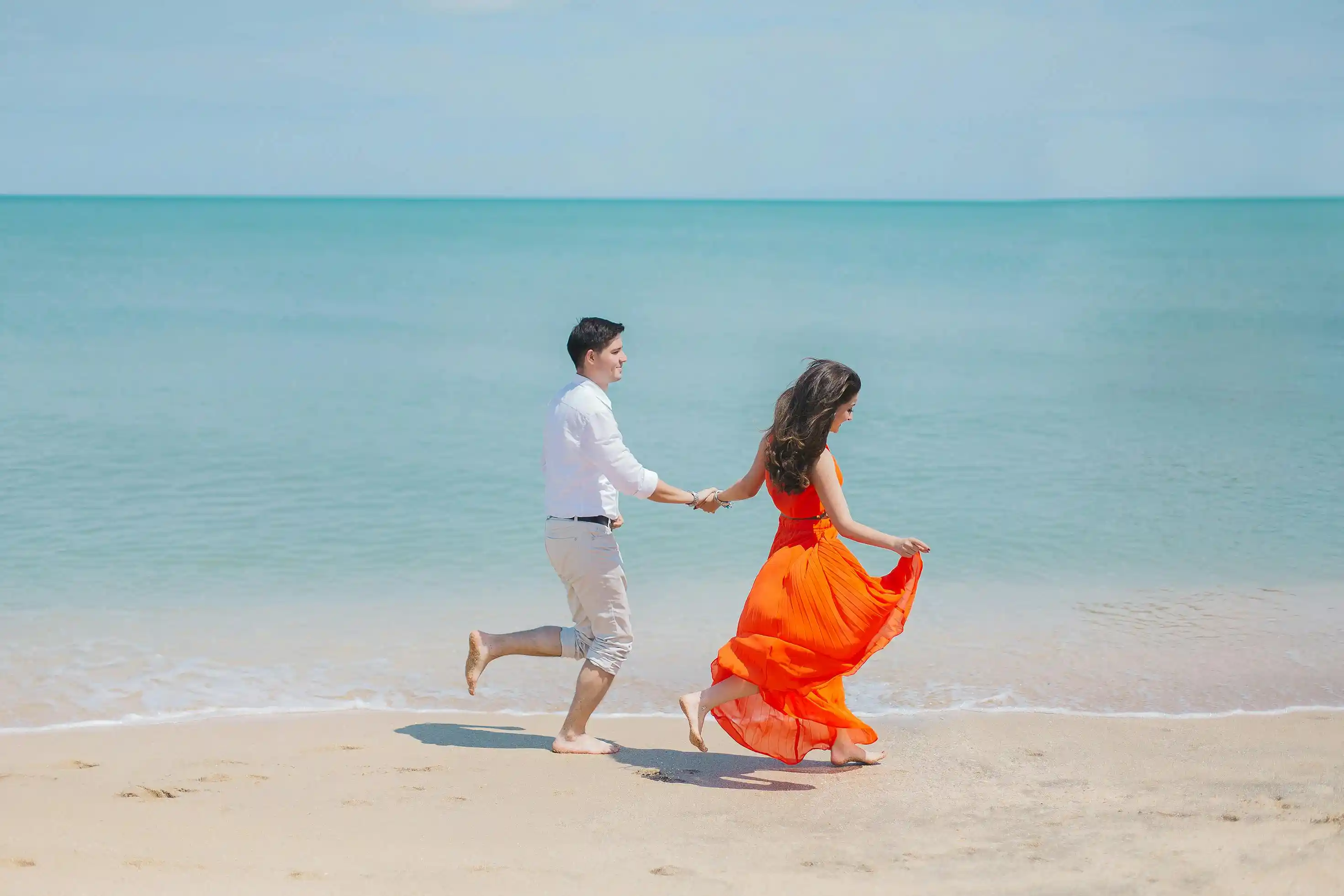
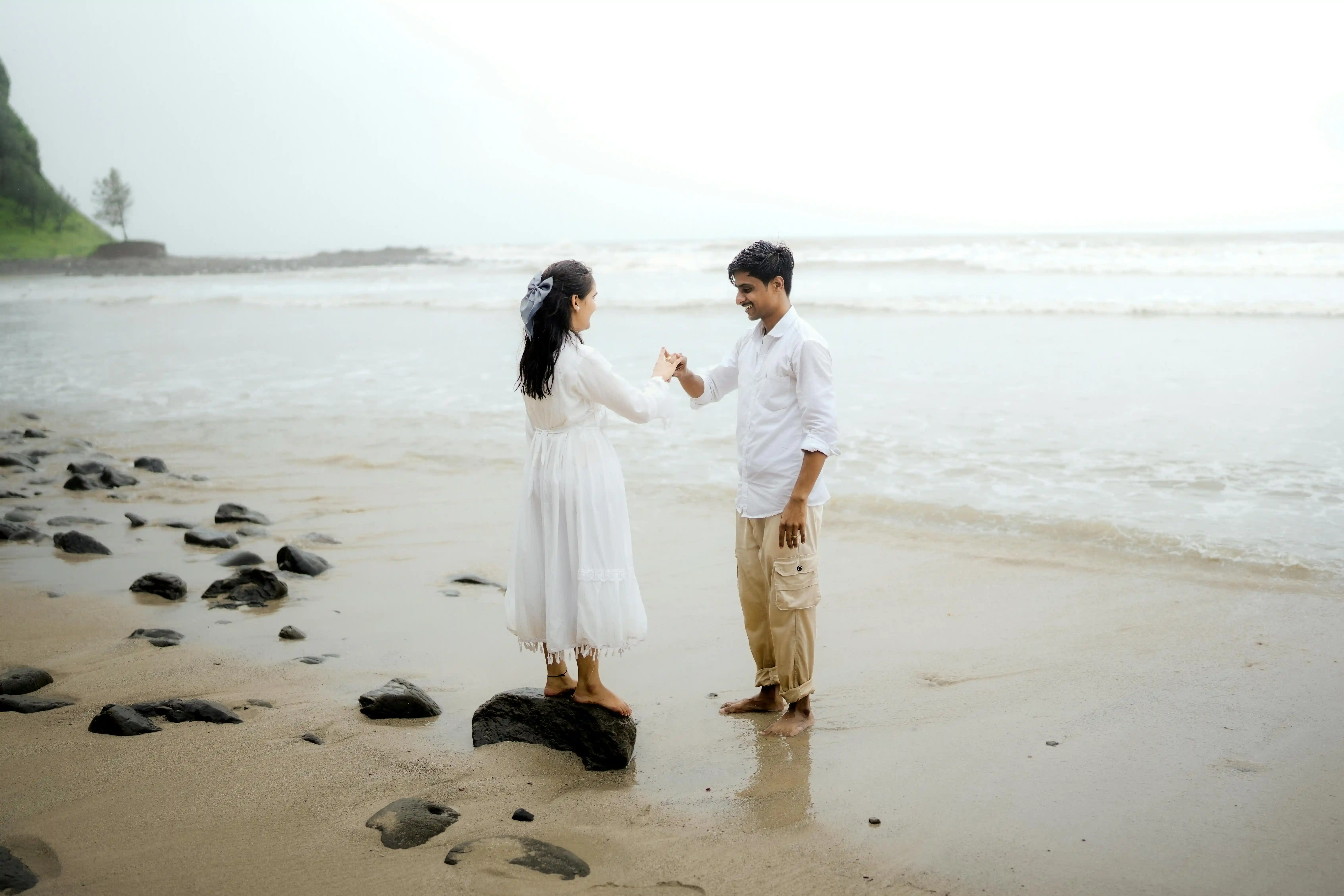
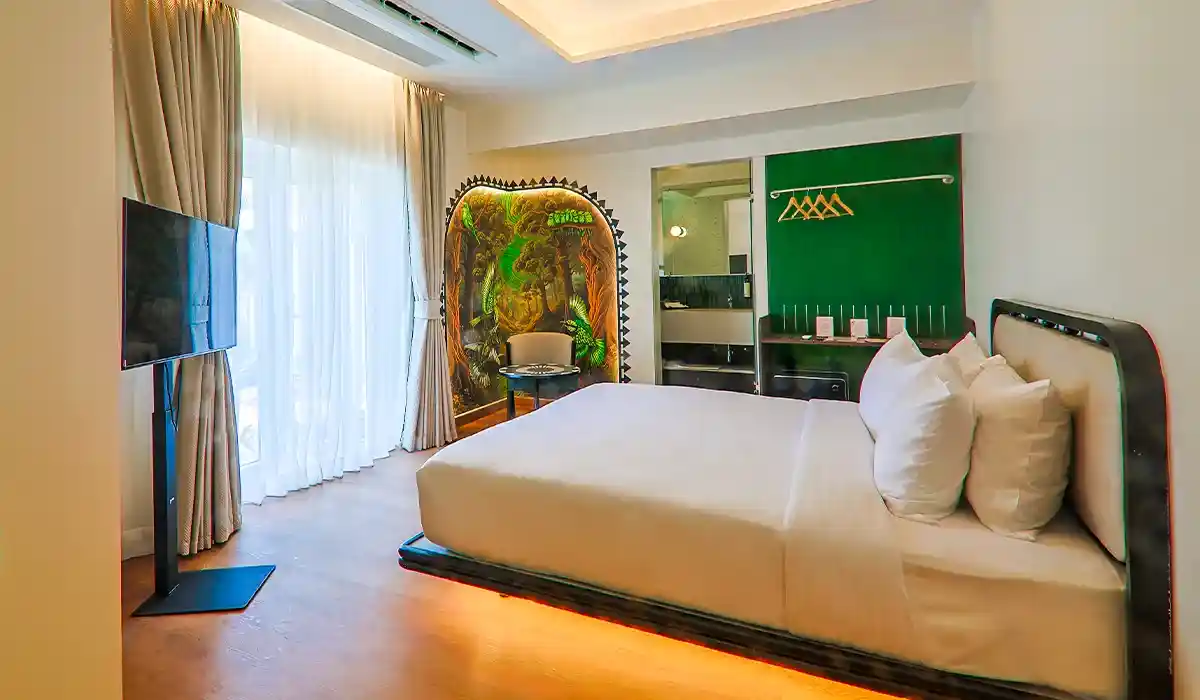
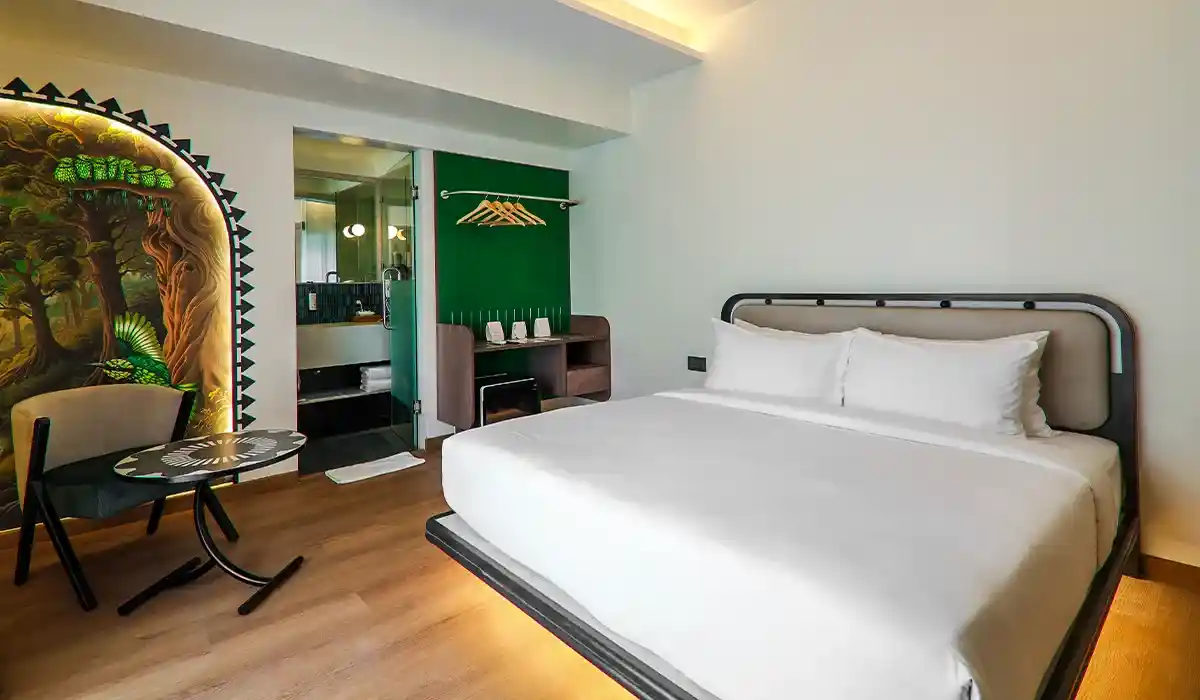
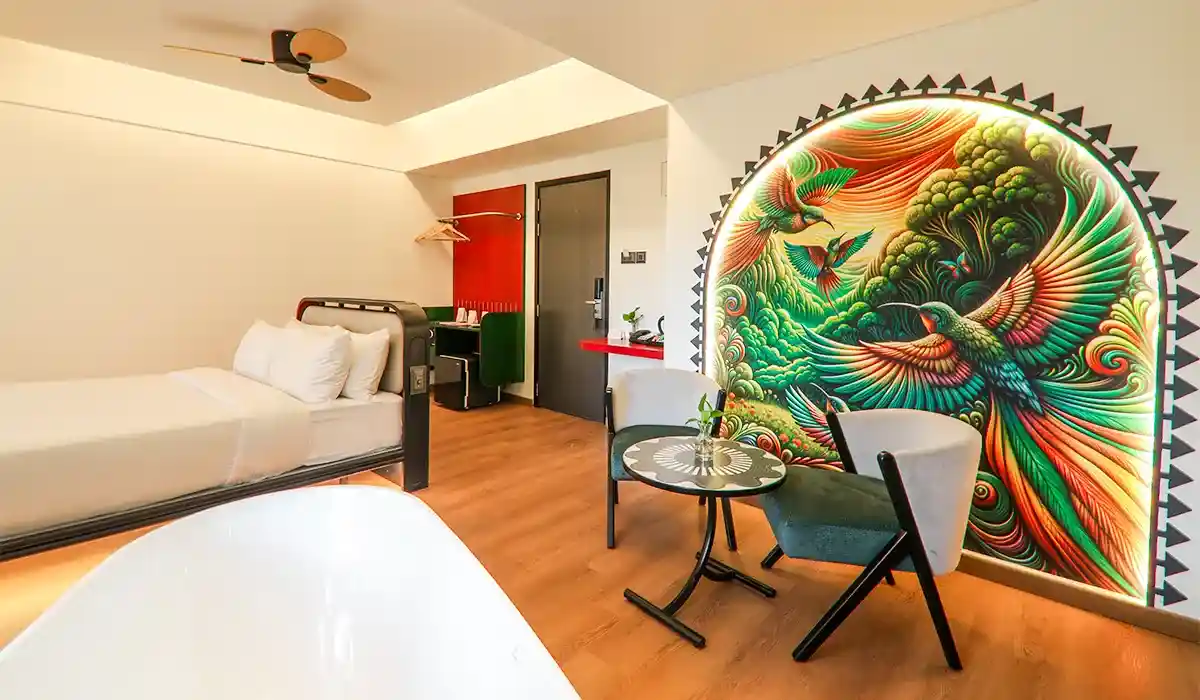
South Goa is India's finest destination for couples, and Benaulim Beach is its most romantic location. The combination of wide, quiet beach, exceptional seafood, and Orchid Passaros Resort – South Goa's only dedicated adults-only luxury resort in South Goa – delivers a couples experience that is difficult to match anywhere in the country. Add the candlelight beach dinner, the couples spa rituals, the dolphin spotting sunrise tour, and the sunset walk from the resort to the beach, and you have the elements of a honeymoon that will be referred to for years. The resort's bird-themed suites – Sunbird Haven, Kingfisher Escape, Bee Eater Oasis, Bulbul Room, Treepie Suite – each with jacuzzi and private garden, are designed entirely for the experience of two people in one of the most beautiful places in India.
South Goa is among the most family-friendly beach destinations in India. The gentle beaches of Benaulim, Cavelossim, and Palolem are safe for younger children. The Goa Chitra Museum, Ancestral Goa, the spice farm tour, and the Dudhsagar jeep safari provide excellent educational and experiential content for older children and teenagers. Dolphin spotting is universally loved across age groups. The district's good road infrastructure and widespread English-speaking hospitality sector make navigation straightforward for families travelling with children who have specific requirements.
South Goa consistently receives the highest satisfaction ratings from international first-time India visitors. The combination of accessible beach beauty, genuinely excellent seafood cuisine, strong English-language hospitality, and the unique Indo-Portuguese cultural blend creates an environment that feels both deeply Indian and broadly familiar to visitors from Europe, Russia, Australia, and the Americas. Orchid Passaros Resort, top couples-only resort in South Goa near Benaulim is particularly recommended for international couples – the personal service, the quality of the spa and dining, and the staff's experience with international guests creates a first-India-trip experience that sets the standard for everything that follows.
South Goa's natural heritage is among the most underappreciated in India. The Bhagwan Mahaveer Sanctuary, Cotigao, and Netravali collectively protect over 400 square kilometres of Western Ghats biodiversity. Dudhsagar Waterfalls, Cola Beach's freshwater lagoon, the Netravali bubbling spring, the Salaulim reservoir, and Galgibaga's turtle nesting beach represent a range of natural environments that is extraordinary for a district of South Goa's size. The birding list for South Goa exceeds 400 species.
South Goa's cultural heritage – its Portuguese mansions, ancient seminaries, Baroque churches, Hindu temples of both the Portuguese period and the pre-Portuguese Kadamba era, and its extraordinary folk museum in Benaulim – constitutes one of India's richest regional cultural landscapes. Travellers who spend three days in the heritage circuit of Chandor, Rachol, Loutolim, Quepem, and Benaulim (beginning and ending at our resort in South Goa ) will encounter a depth of history that very few destinations in the subcontinent can match.
October to March is the primary travel window for South Goa tourism. November to February is peak season – perfect weather, all beaches and water sports fully operational, good festival calendar. October and March are excellent shoulder months with slightly lower prices and fewer crowds but no meaningful weather compromise.
The monsoon (June to September) is a genuinely different experience – rough seas, no beach activities, but extraordinary lush greenery, Dudhsagar at full flow (best visited September-October), and the hinterland at its most beautiful. Orchid Passaros operates monsoon romance packages.
Rental scooters (Rs 300-400 per day) are the most flexible and enjoyable transport option for independent travellers. Taxis are reliable but expensive for multiple trips. App-based cabs (Goa Miles, Rapido) are increasingly available across the South Goa coastal belt. Buses connect Margao to all major villages and beaches, though the frequency is lower than in more urban parts of India.
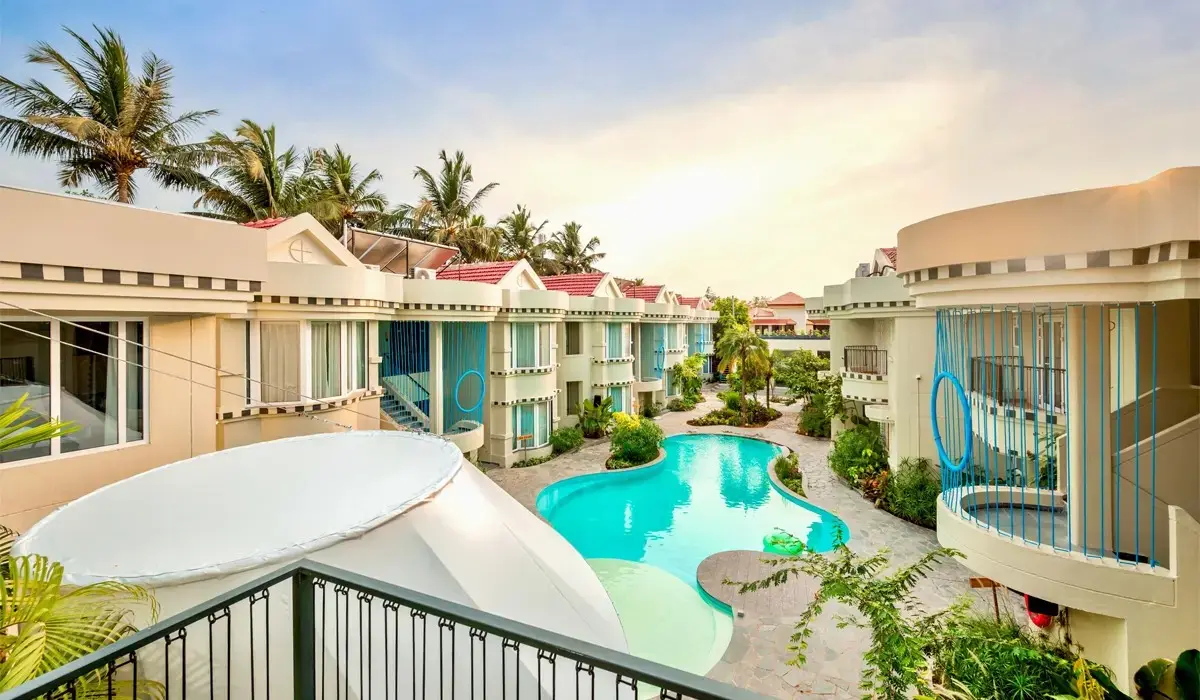
Benaulim is the ideal base for most South Goa travellers. Centrally located on the coast, it gives easy scooter or taxi access to Colva to the north, Betalbatim, Cavelossim, and Varca to the south, Margao city, and the heritage hinterland. For those focused specifically on Palolem and the southern beaches, staying in Palolem or Agonda makes sense. For couples who want the finest South Goa hotel experience, Orchid Passaros Resort in Benaulim is the definitive recommendation – adults-only, spa, fine dining, 270 metres from the beach. Book your room at orchidresortgoa.com.
Budget: Rs 1,500-4,000 per night for guesthouses and budget cottages across Benaulim, Palolem, and Agonda.
Mid-range: Rs 4,000-12,000 for comfortable resort hotels with pool and restaurant.
Luxury: Rs 12,000 and above for the finest boutique and 5-star properties. Orchid Passaros occupies the premium boutique tier – pricing reflects the exclusively designed couples experience.
Dining: Rs 300-800 per person at beach shacks. Rs 800-2,500 for two at better restaurants. Fine dining at Orchid Passaros's Tipsy Sparrow at premium prices reflecting the quality.
Activities: Dolphin tour Rs 300-500 per person. Water sports Rs 300-1,500 per activity. Dudhsagar jeep tour Rs 1,200-2,000 per person. Museum entries Rs 30-200.
What is the best beach in South Goa? For couples and first-time visitors, Benaulim is the definitive recommendation – wide, clean, quiet, with excellent infrastructure including Orchid Passaros Resort 270 metres from the sand. For scenic beauty, Palolem's crescent bay is unmatched. For ecology and solitude, Agonda. For a true hidden gem, Cola Beach's freshwater lagoon.
Is South Goa better than North Goa? For couples, honeymooners, families, heritage travellers, and anyone seeking genuine quiet and authentic Goan culture – yes. South Goa has better beaches, superior luxury accommodation, more authentic food, and a far richer cultural landscape. North Goa has better nightlife and more activity density.
How many days are needed to explore South Goa properly? A minimum of 5 days allows coverage of the key beaches and one or two heritage or nature sites. Seven days gives time for a full beach circuit, a Dudhsagar day trip, cultural heritage, and proper relaxation. Ten days or more allows the full South Goa experience including the wildlife sanctuaries and southern beaches like Cola, Agonda, and Palolem.
What is the best hotel in South Goa for couples? Orchid Passaros Resort in Benaulim is South Goa's only dedicated adults-only luxury resort. It offers bird-themed suites with jacuzzis, a couples spa, fine dining, private beach access, and personalised romance packages. Book at https://orchidresortgoa.com/hotel-rooms-booking-in-goa-benaulim/
What is the most underrated place to visit in South Goa? Cola Beach, the Rachol Seminary, the Palacio do Deao in Quepem, and the Chandor mansions are all significantly undervisited relative to their quality and interest. Talpona Beach and Kakolem Beach are the most undervisited beaches. The Netravali Wildlife Sanctuary is the most undervisited natural site.
Can I visit South Goa without a vehicle? Yes, though a scooter greatly expands your range. Margao is connected to Benaulim, Colva, and Cavelossim by bus and auto-rickshaw. Taxis and app-cabs cover further distances. For the southern beaches (Palolem, Agonda, Cola), personal transport or pre-arranged tours are recommended.
What is unique about South Goa compared to other Indian beach destinations? The combination of Portuguese architectural heritage, authentic Konkan-Catholic seafood cuisine, Olive Ridley turtle conservation beaches, Western Ghats wildlife accessible within an hour, and a luxury hospitality sector led by boutique properties like Orchid Passaros Resort makes South Goa unique in India and competitive with the finest beach destinations in Asia.
1. Which is the best beach to visit in South Goa in 2026?
Benaulim for couples and as a central base. Palolem for scenic beauty. Agonda for ecology and solitude. Cola for the extraordinary freshwater lagoon. Galgibaga from November to March for Olive Ridley turtle watching.
2. What is the most famous place in South Goa?
Palolem Beach is the most internationally famous South Goa destination. Dudhsagar Waterfalls is the most famous natural attraction. The Goa Chitra Museum in Benaulim is the most celebrated cultural site. Orchid Passaros Resort in Benaulim is the most celebrated couples resort.
3. What are the best heritage sites to visit in South Goa?
The Chandor Mansions, Rachol Seminary, Ancestral Goa in Loutolim, Goa Chitra Museum in Benaulim, Palacio do Deao in Quepem, and the Church of St John the Baptist in Benaulim are the finest heritage experiences available in the district.
4. Is South Goa good for wildlife viewing?
Yes. The Bhagwan Mahaveer Sanctuary and Mollem National Park, Cotigao Wildlife Sanctuary, and Netravali Wildlife Sanctuary collectively offer some of the finest forest-based wildlife viewing in western India, including gaur, leopards, sambar deer, sloth bears, and over 400 bird species.
5. What is the best resort in South Goa for a honeymoon?
Orchid Passaros Resort in Benaulim is South Goa's premier honeymoon resort – the only dedicated adults-only luxury property in the district, with jacuzzi suites, couples spa, fine seafood dining, and a location 270 metres from Benaulim Beach. Book at https://orchidresortgoa.com/hotel-rooms-booking-in-goa-benaulim/
6. When is the best time to see dolphins in South Goa?
October to May, with the highest sighting frequency from November to February. Dolphin-spotting boat tours depart from Benaulim Beach and Betalbatim Beach most mornings during season, costing Rs 300-500 per person.
7. How far is South Goa from the airport?
Dabolim Airport is located in South Goa and is approximately 31 km from Benaulim Beach – around 45 minutes by taxi. It is the most convenient airport for all South Goa destinations.
8. What are the best day trips from South Goa?
Dudhsagar Waterfalls (full day, jeep safari), Palolem and Butterfly Beach (half day or full day), the Chandor heritage village circuit (half day), a spice farm tour in Ponda (half day), and Cotigao Wildlife Sanctuary (full day) are the finest day trips from a Benaulim base.
9. Is South Goa safe for foreign tourists?
Yes. South Goa has a well-established international tourism infrastructure and is consistently rated one of India's safest destinations for foreign visitors. English is widely spoken throughout the district.
10. What is the local cuisine of South Goa?
South Goan cuisine is anchored by fresh seafood – fish curry rice, prawn balchao, crab xacuti, fish recheado, and lobster masala are the signature dishes. Sol kadhi and bebinca are the most distinctive drinks and desserts. The best restaurant dining in the district is available at Orchid Passaros Resort's Tipsy Sparrow in Benaulim.
This master blog covers South Goa comprehensively. For dedicated deep-dives into specific aspects of the district, read the supporting blogs in this cluster: South Goa hidden beaches, the complete South Goa heritage trail, the ultimate South Goa nature and wildlife guide, and the South Goa family travel guide for 2026-2028.
Discover serene coastal escapes in our South Goa Hidden Beaches guide.
Think you’ve seen it all? Wait till you read The Complete South Goa Heritage Trail 2026-2028.
Dive into nature with the South Goa Nature and Wildlife Guide 2026-2028.
Travel smarter with the South Goa Family Travel Guide 2026-2028.
explore
Dolphin tours, water sports, heritage sites, day trips & more at Benaulim Beach

Dolphin tours, water sports, heritage sites, day trips & more at Benaulim Beach

Explore Places like; waterfalls, secret beaches

Explore Places like; waterfalls, secret beaches

Explore Places like; waterfalls, secret beaches

Explore Places like; waterfalls, secret beaches

Explore Places like; waterfalls, secret beaches

For couples who are looking for a retreat where privacy, elegance, and exclusivity
.webp "Luxury Beachfront Resort in South Goa - Passaros")
.webp "Scenic View of Passaros Resort in South Goa")